Understanding the Difference Between PPF & Ceramic Coatings
Protecting your vehicle’s paint used to mean keeping it clean, waxing it regularly, and hoping road debris stayed out of the way. Today, drivers have far more options. Paint protection film (PPF) and ceramic coating are the two most talked-about products in the category. The problem is that these terms are often used interchangeably. In reality, they aren’t the same. Understanding how each of these products and processes differ from each other can help you choose protection based on how and where you actually drive.
This post covers both without spin: what each one does, where each one falls short, and how to figure out which one fits your situation.
What Does Ceramic Paint Protection Actually Do?
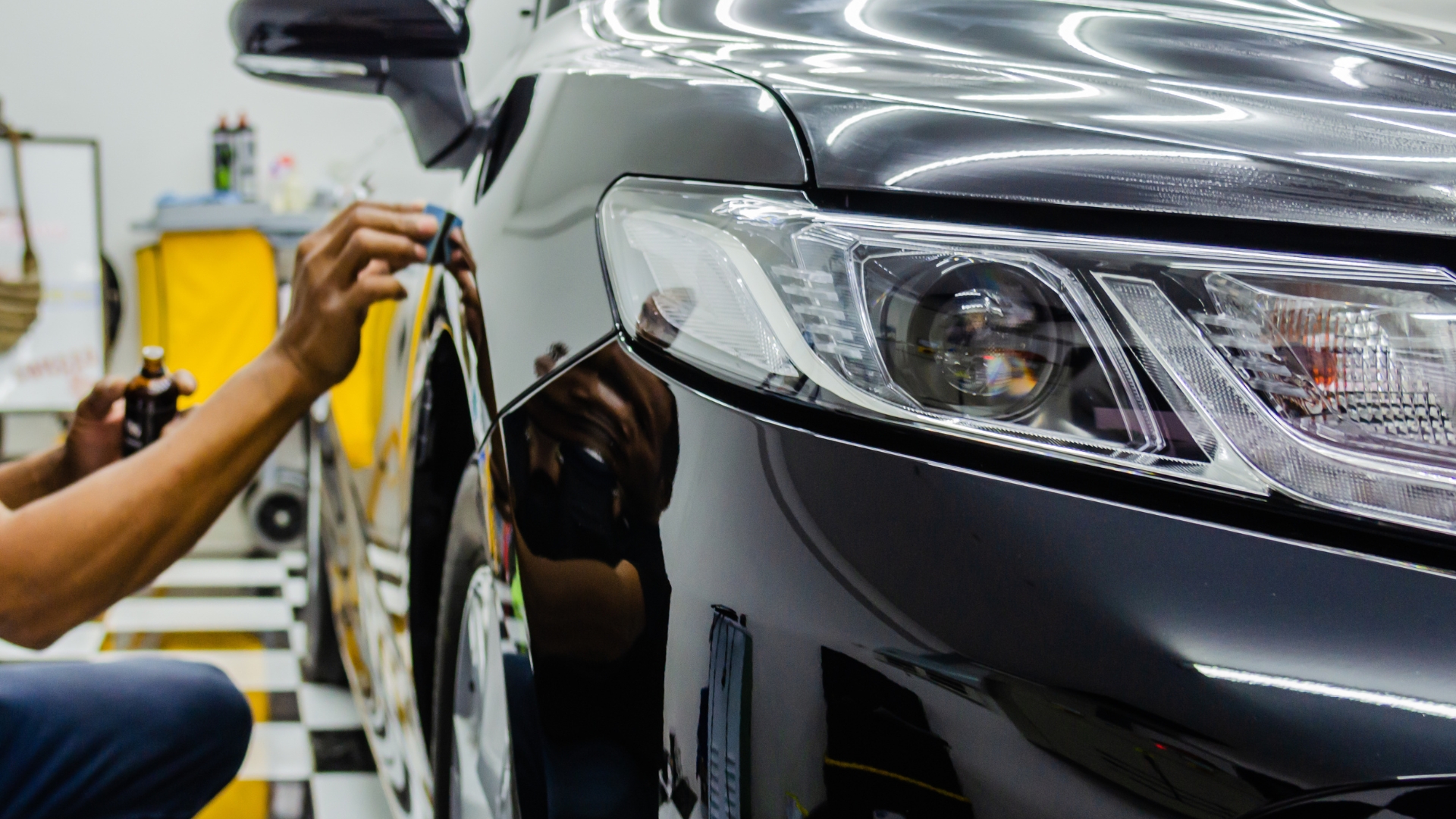
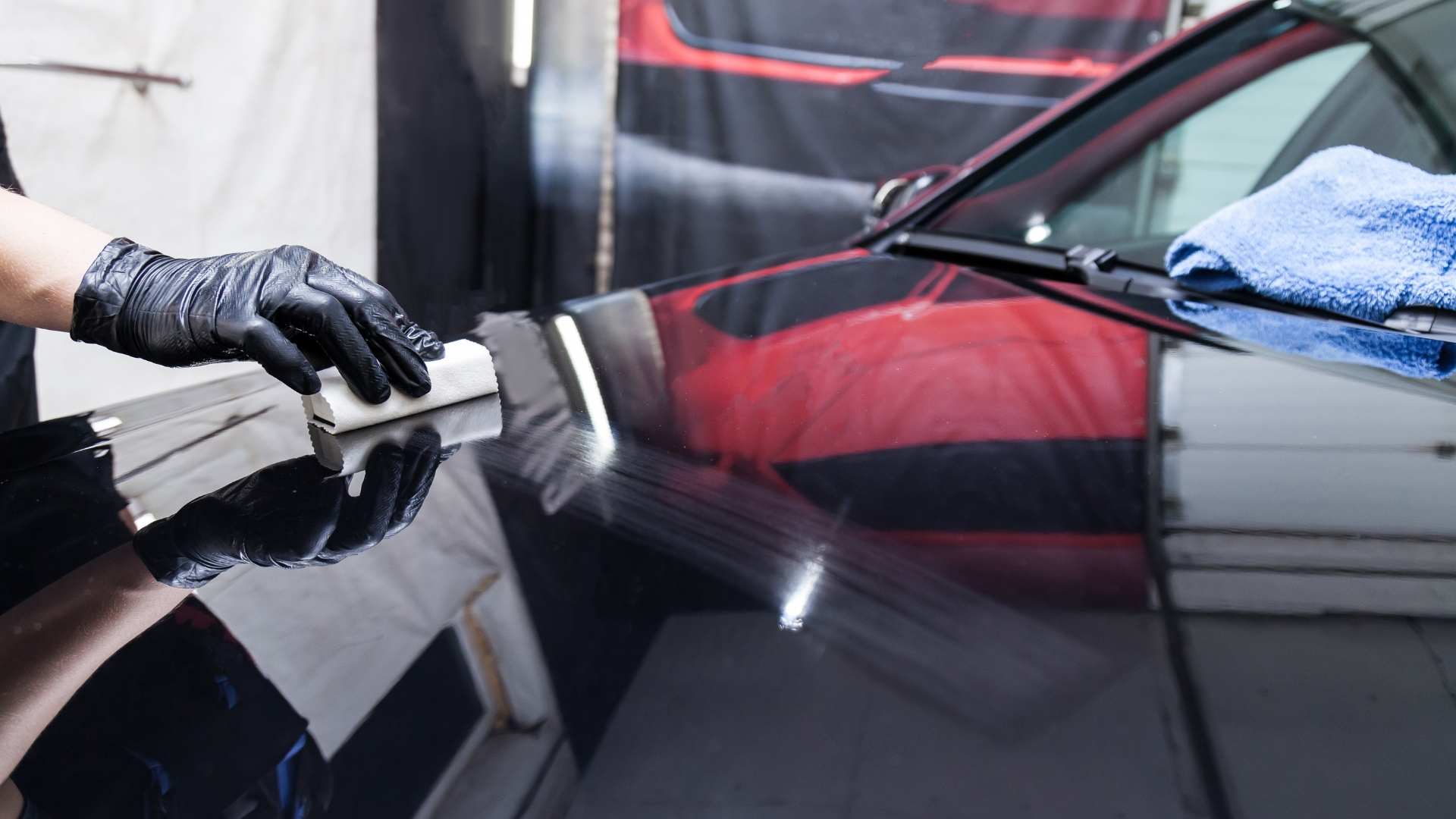
Ceramic protection refers to products designed to create a bonded protective layer over a vehicle’s exterior. It is a liquid polymer applied to the vehicle’s exterior that bonds to the paint at a molecular level. Rather than covering the paint with a relatively thick sheet of material, these products interact directly with the treated surface. Once cured, it forms a hard, semi-permanent layer over the surface, which fills microscopic pores in the paint, smoothing the surface and adding gloss depth.
A 2025 review of automotive paint protection technologies published in Polymers found that ceramic coatings can provide hydrophobicity, gloss, and resistance to UV exposure, corrosion, contaminants, and other environmental hazards. The researchers also noted that performance and durability vary according to the coating formulation and maintenance.
That hydrophobic surface can make water bead and help grime release more easily during routine washing. Ceramic protection can also help defend against bird droppings, tree sap, oxidation, road grime, and similar exposure. What it can’t do is make paint invincible. A ceramic product should not be confused with a physical barrier capable of stopping significant rock impacts or deep scratches. The coating protects against chemical damage and environmental wear, but it is not a substitute for PPF when it comes to debris protection.
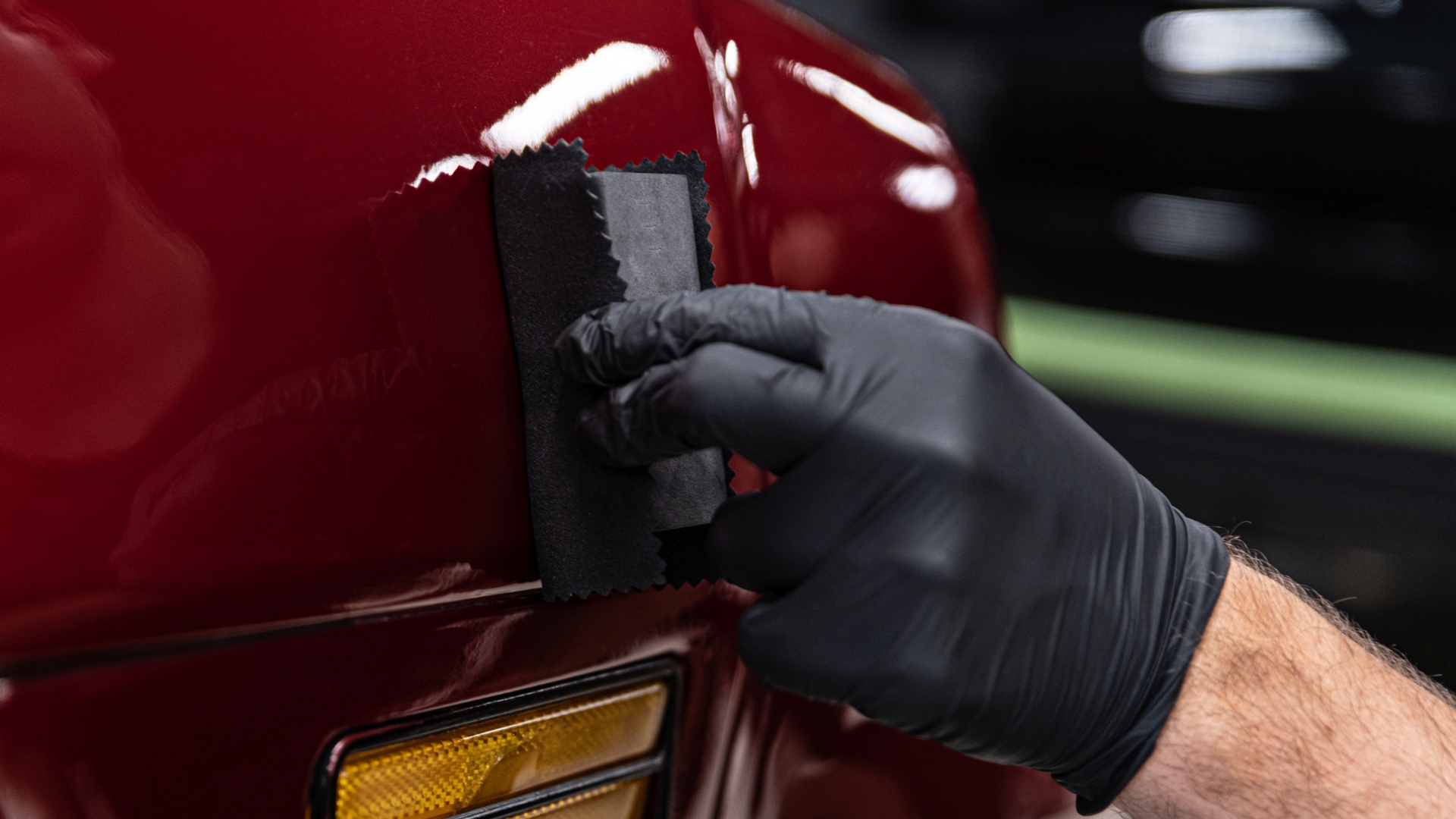
Professional ceramic coating also requires careful paint preparation and a controlled application process. That’s why quality brands like Cilajet apply the coating only through trained, authorized dealers, not off a shelf.
How is Paint Protection Film Different?
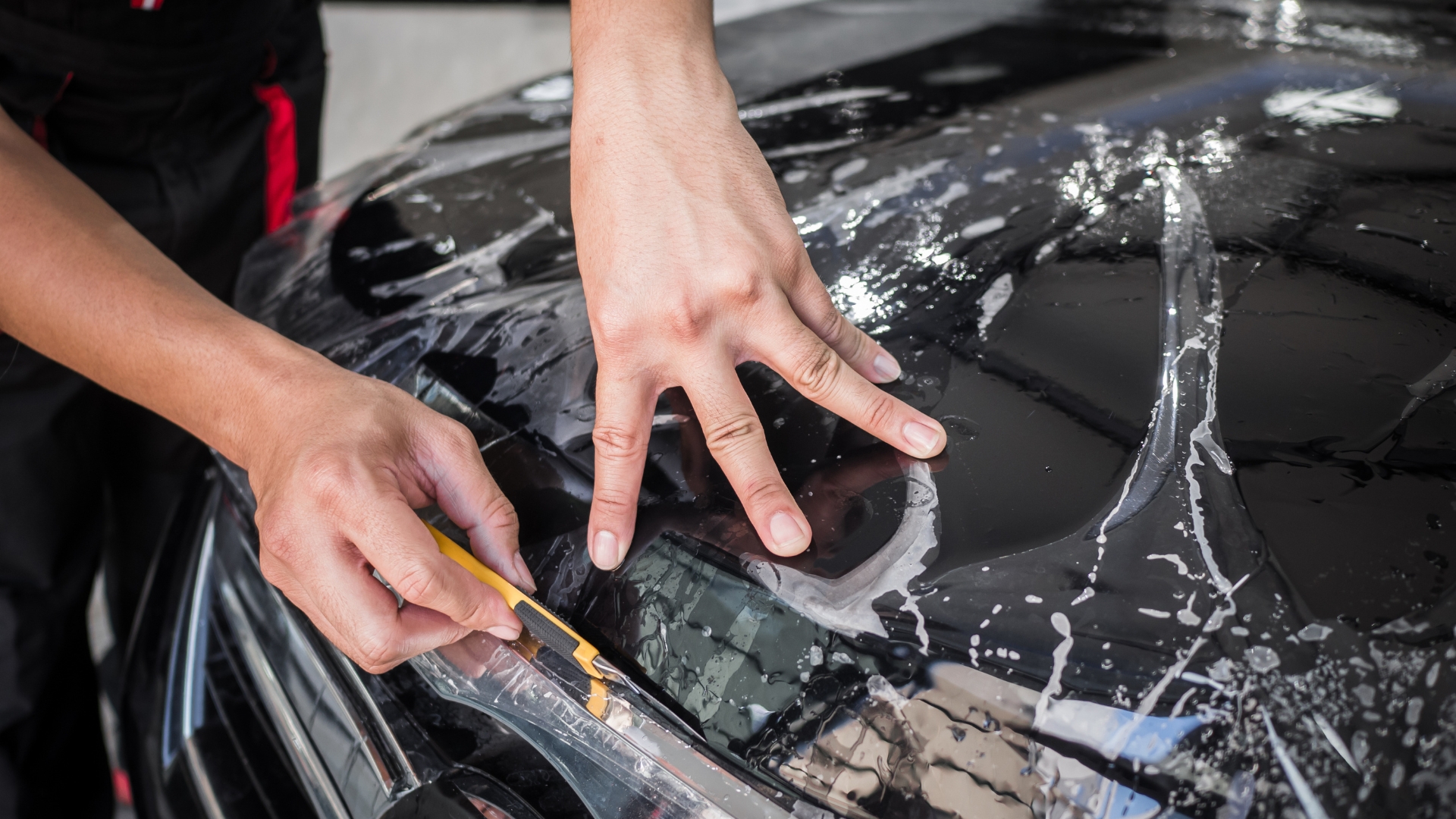
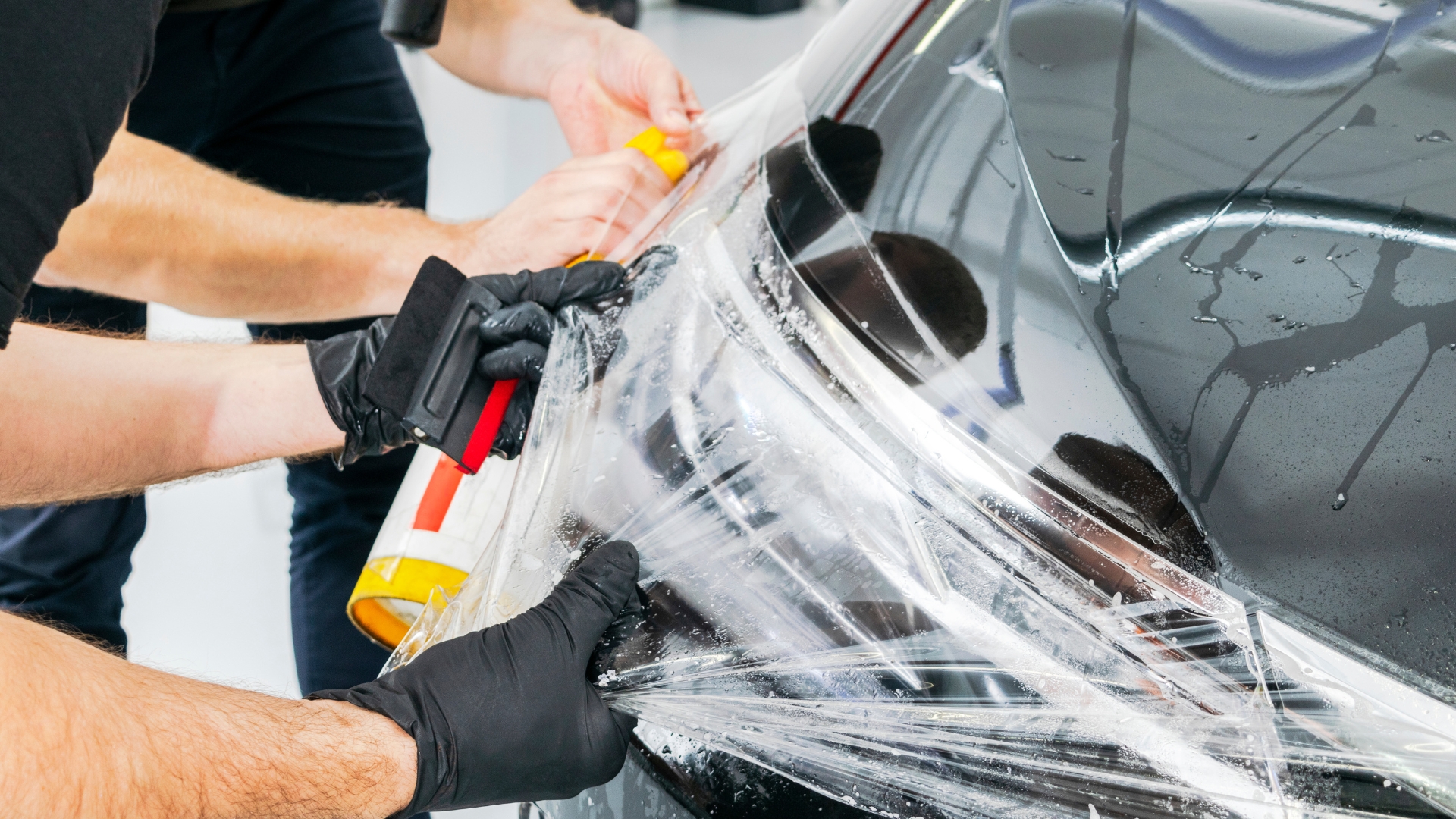
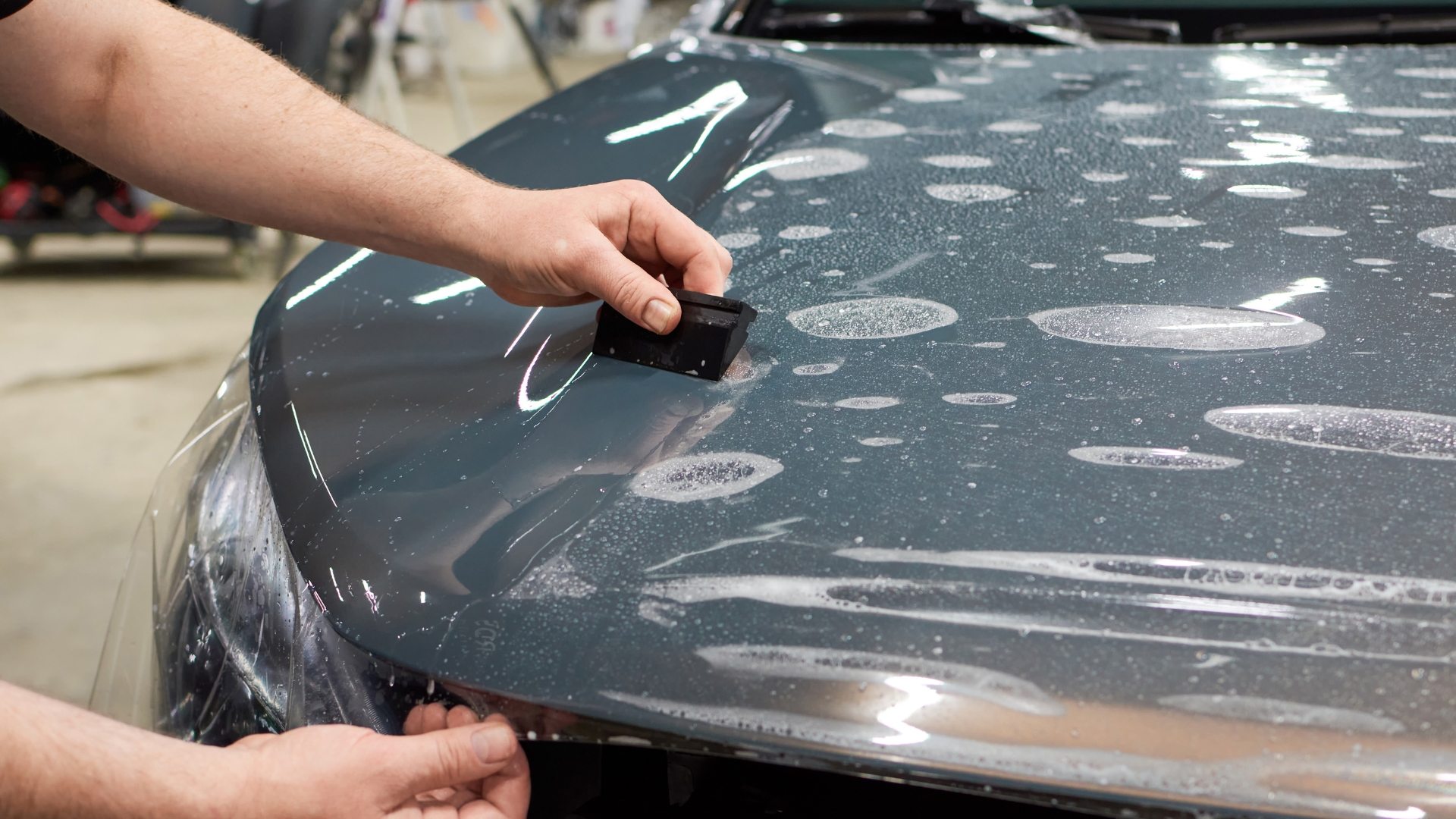
Paint protection film, often called PPF or clear bra, takes a more physical approach. PPF is a transparent urethane or polyurethane material installed directly over your vehicle’s painted surfaces. Its biggest advantage is impact protection. For instance, some PPF products are designed to protect automotive paint from rock chips, scratches, road debris, and environmental exposure. Other modern films also have self-healing properties that allow minor marks in the film itself to disappear when exposed to heat.
PPF can cover an entire vehicle, but it is most commonly applied strategically to high-impact areas like the hood, front fenders, bumpers, rocker panels, and mirrors. Full-vehicle coverage costs significantly more but provides protection everywhere. The key difference between PPF and ceramic paint protectant or coatings is the physical layer. PPF puts materials between the road and the paint, while ceramic protection creates a bonded protective surface.
One limitation worth noting is that PPF does not provide strong chemical resistance. It won’t protect as effectively against UV degradation, oxidation, or environmental contaminants like bird droppings and tree sap. That’s where ceramic coating is the better tool.
How Ceramic Protection & PPF Compare
The table below offers a holistic view of how ceramic paint protection and PPF compare:
| Paint Protection Film | Ceramic Coating | |
|---|---|---|
| Protection Type | Absorbs physical impact from road debris, rock chips, and minor abrasions. | Forms a chemical and UV-resistant barrier but does not protect against physical impact |
| Cost | Runs from roughly $500 for partial coverage to $5,000 or more for a full-vehicle wrap, depending on vehicle size and film quality. | Typically falls between $500 and $2,500 or more, based on the product and vehicle. |
| Durability | Lasts 5 to 10 years with proper care. | Lasts 3 to 7 years depending on the product and how the vehicle is maintained. |
| Hardness | Rated on the pencil hardness scale. Cilajet Ceramic with Graphene reaches 9H, near the top of the scale and well above standard consumer products. | |
| Hydrophobia | Both products offer hydrophobic properties. Ceramic coatings are generally stronger here, with faster water sheeting and more consistent repellency. | |
| Self-healing | PPF with a self-healing topcoat closes light surface scratches with heat. | Ceramic coatings do not self-heal. |
| Installation | Requires cutting film panels to fit body curves and tucking edges along seams. | Applied as a liquid with no cutting or fitting required. |
| Maintenance | Both reduce cleaning frequency and difficulty. PPF edges require some attention over time. | Both reduce cleaning frequency and difficulty. Ceramic surfaces rinse cleaner. |
| Appearance | Engineered to be invisible when installed properly. | Adds depth and gloss to the paint. |
When Does Ceramic Protection Make More Sense?
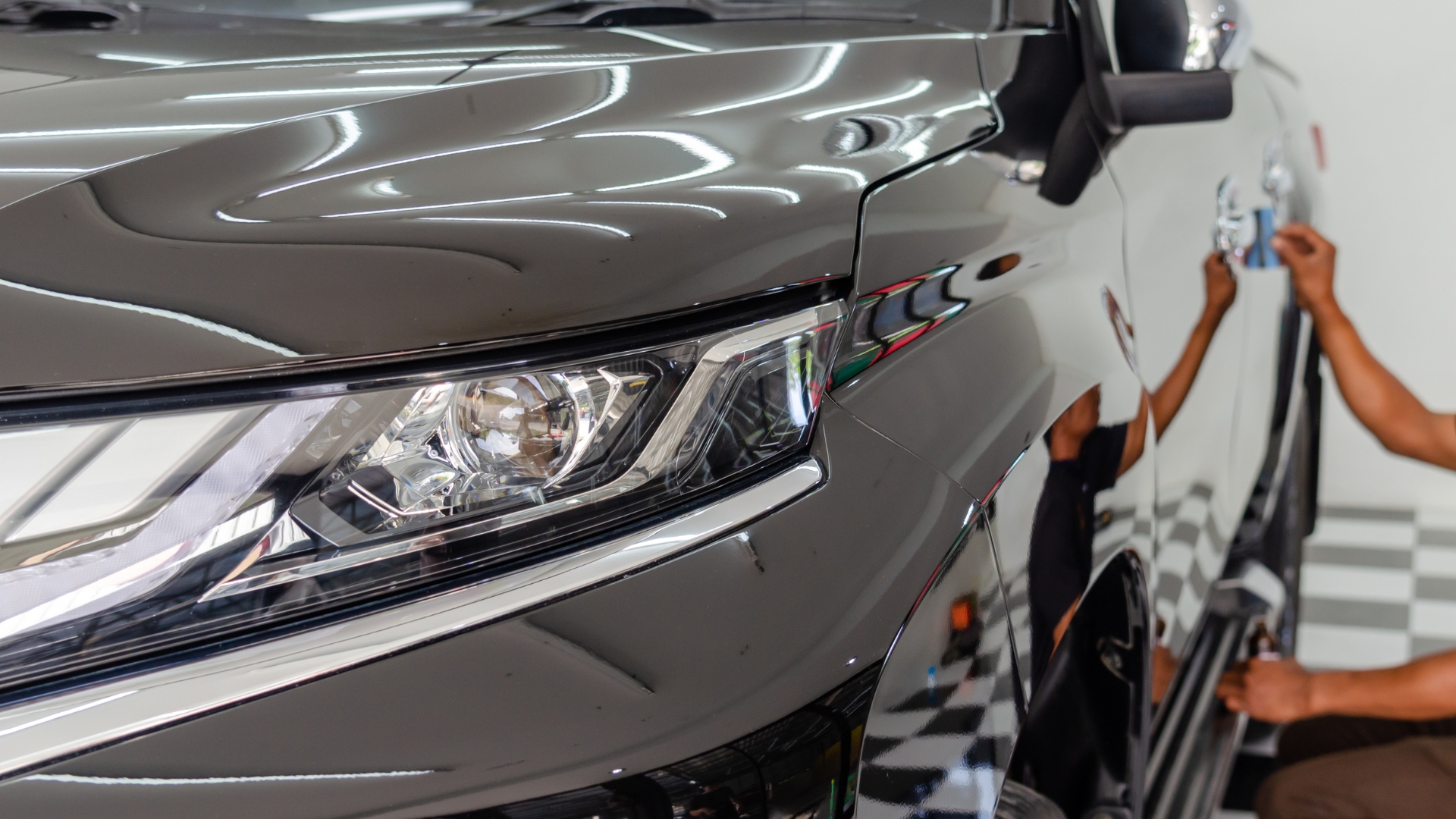
For many drivers, the biggest threats are not flying stones but are more common hazards, such as UV exposure, rain, bugs, bird droppings, tree sap, road grime, mineral deposits, and other environmental contaminants. Ceramic protection makes sense when maintaining the finish and simplifying exterior care are major priorities. Its hydrophobic properties help water and contaminants release from the surface, which can make washing easier while preserving gloss.
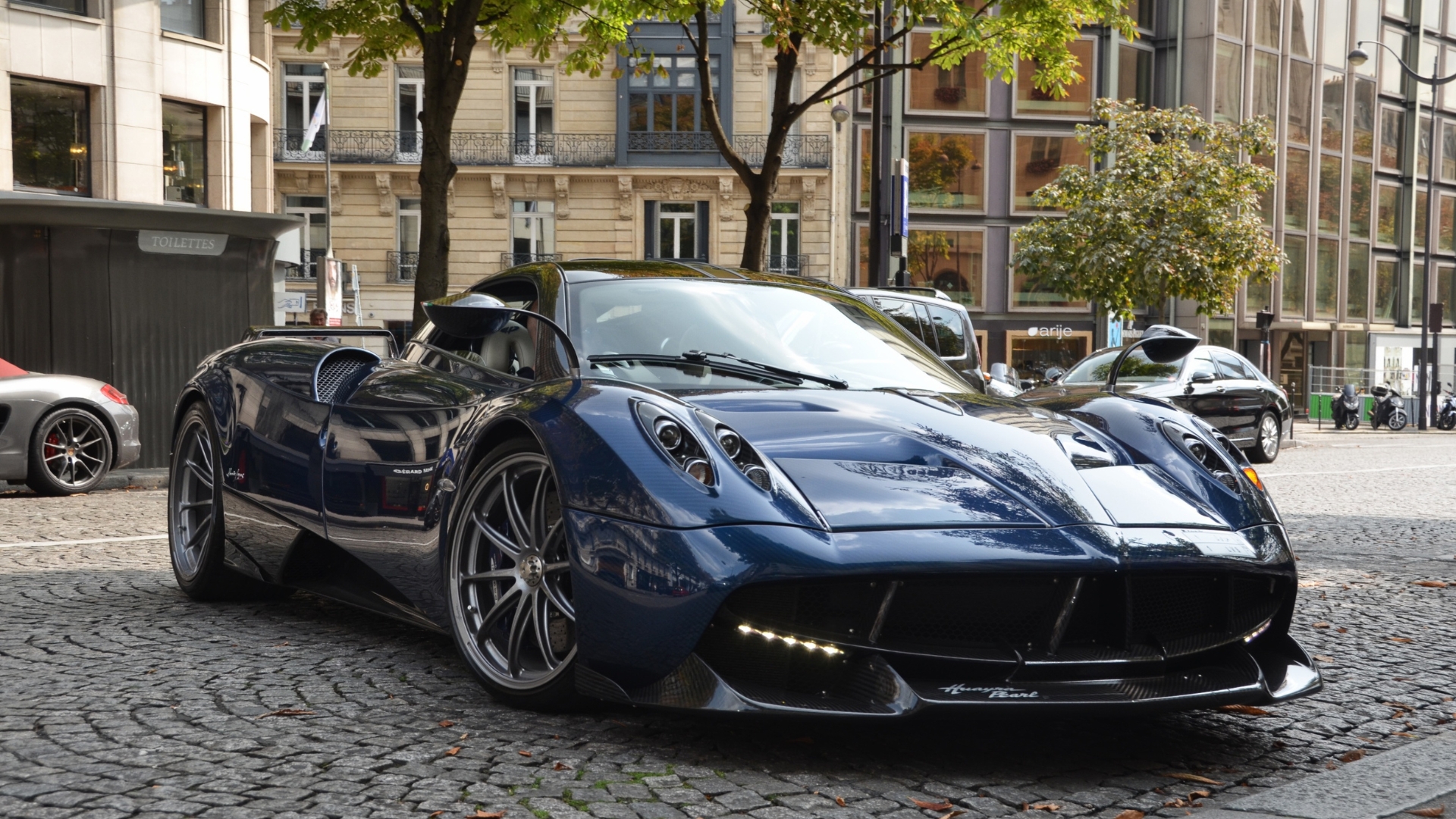
It can be especially appealing for new vehicles whose owners want to protect factory paint early, as well as luxury, performance, collectible, and enthusiast vehicles where appearance matters. Long-term owners may also see more value in investing in durable protection, particularly if their vehicle spends significant time outdoors.
When Might PPF Be the Better Fit?
There are situations where PPF has a clear advantage. If physical impacts are your biggest concern, adding an actual film between the paint and the road can provide protection a ceramic treatment cannot replicate. That can be a major factor for vehicles regularly driven on gravel roads, highways, through construction areas, or anywhere loose debris frequently strikes the front end.
A 2025 Forbes report on modern PPF described the technology as a multilayer film engineered specifically to resist impacts, with contemporary products measuring several mils thick. Being clear about this difference prevents one of the biggest mistakes in paint protection: expecting a ceramic product to stop damage it was never designed to prevent in the first place.
Can You Use Both?
Yes, and many car owners do. The two products address different problems, so they work well together. A common approach is to apply PPF on the high-impact zones (front bumper, hood leading edge, side mirrors, door edges) and ceramic coating across the rest of the vehicle. That combination gives you physical protection where paint takes the most abuse and chemical resistance across the whole surface.
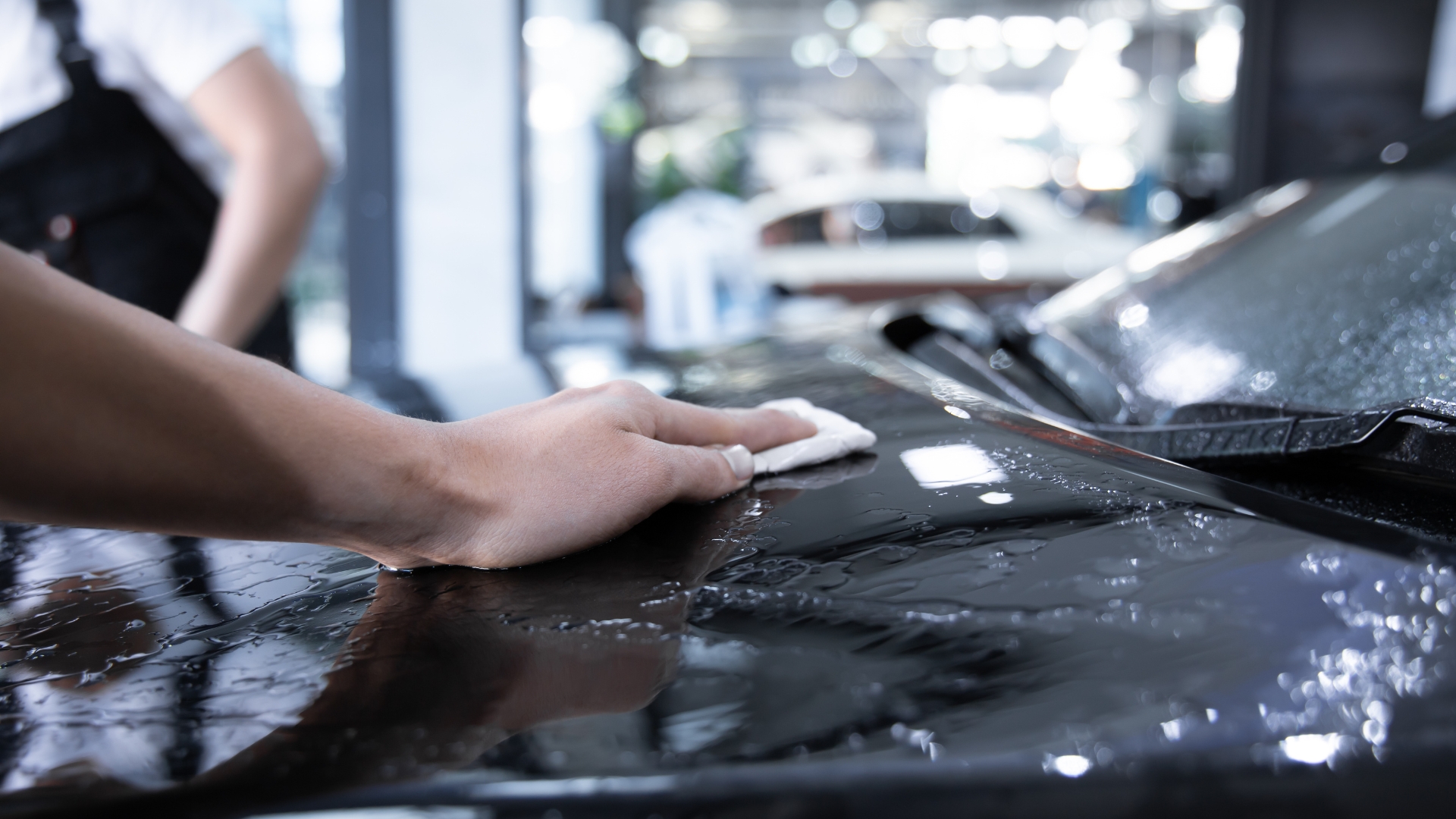
Ceramic coating can also be applied over PPF, which gives the film itself better hydrophobic performance and easier maintenance. This pairing is common with enthusiasts and owners of high-value vehicles. It isn’t always necessary for a daily driver, but if you want the most complete paint protection setup available, combining both is how to get there.
What Should You Consider Before Choosing Paint Protection?
Before choosing, start with the type of protection your vehicle actually needs.
- What damage concerns you most? Ceramic protection is well-suited to environmental exposure, while PPF has the advantage against physical impacts.
- Where do you drive? Highway mileage, gravel, construction zones, climate, parking, and garage storage can change your priorities.
- How much maintenance do you want? A hydrophobic ceramic surface can make regular cleaning much easier.
- How long will you own the vehicle? Durable protection can become more valuable when you plan to keep a car for years.
- What does the product actually promise? Compare formulations, professional application requirements, longevity, warranties, maintenance instructions, and exclusions.
The last point is especially important. “Ceramic” is a category; not a guarantee that every product performs the same way.
Why Cilajet is Different from Other Ceramic Coatings
Not all ceramic coatings are the same product. Consumer-grade options you buy online and professional-grade formulations developed for real-world conditions aren’t in the same category. Cilajet is built to aerospace standards, specifically the coating standards used on Boeing and Airbus aircraft, where coatings face conditions well beyond what any car will encounter.
The formulation uses graphene-ceramic polymer nanotechnology. Graphene contributes tensile strength, while the ceramic polymer provides adhesion, chemical resistance, and hydrophobic performance. The result is a coating rated at 9H pencil hardness, one of the highest ratings in the automotive ceramic category.
Cilajet is available only through trained, authorized dealers who apply it under controlled conditions with proper paint preparation. That matters because even a well-formulated coating won’t hold up if the surface underneath wasn’t prepared correctly. The application process is as important as the product itself.
Choose Protection Based on Your Vehicle, Not the Hype
Paint protection film and ceramic coating aren’t competing products trying to do the same thing. PPF handles physical impact. Ceramic coating handles chemical resistance, UV protection, and long-term gloss. That distinction is what drives the decision.
For most drivers, ceramic coating does the job. It costs less than full PPF, lasts years, and protects against the environmental damage that degrades paint over time. If rock chips are a genuine concern based on how and where you drive, adding PPF to the high-impact zones is worth considering.
If ceramic coating is the right fit, Cilajet’s aviation-grade formulation is built to a standard most products don’t reach. Find an authorized dealer and get it applied correctly.
