
The True Damage of Snow Salt to Your Car
Every winter, transportation departments across North America apply millions of tons of road salt and liquid brine to keep roads drivable. It works. Roads stay safer, and accidents go down. But the salt that keeps your tires on the pavement is doing something to your car at the same time.
The short answer to “does road salt damage car paint?” is yes. The more useful answer is that the damage is cumulative, starts at the microscopic level, and compounds season after season if you do nothing about it.
Here is what actually happens.
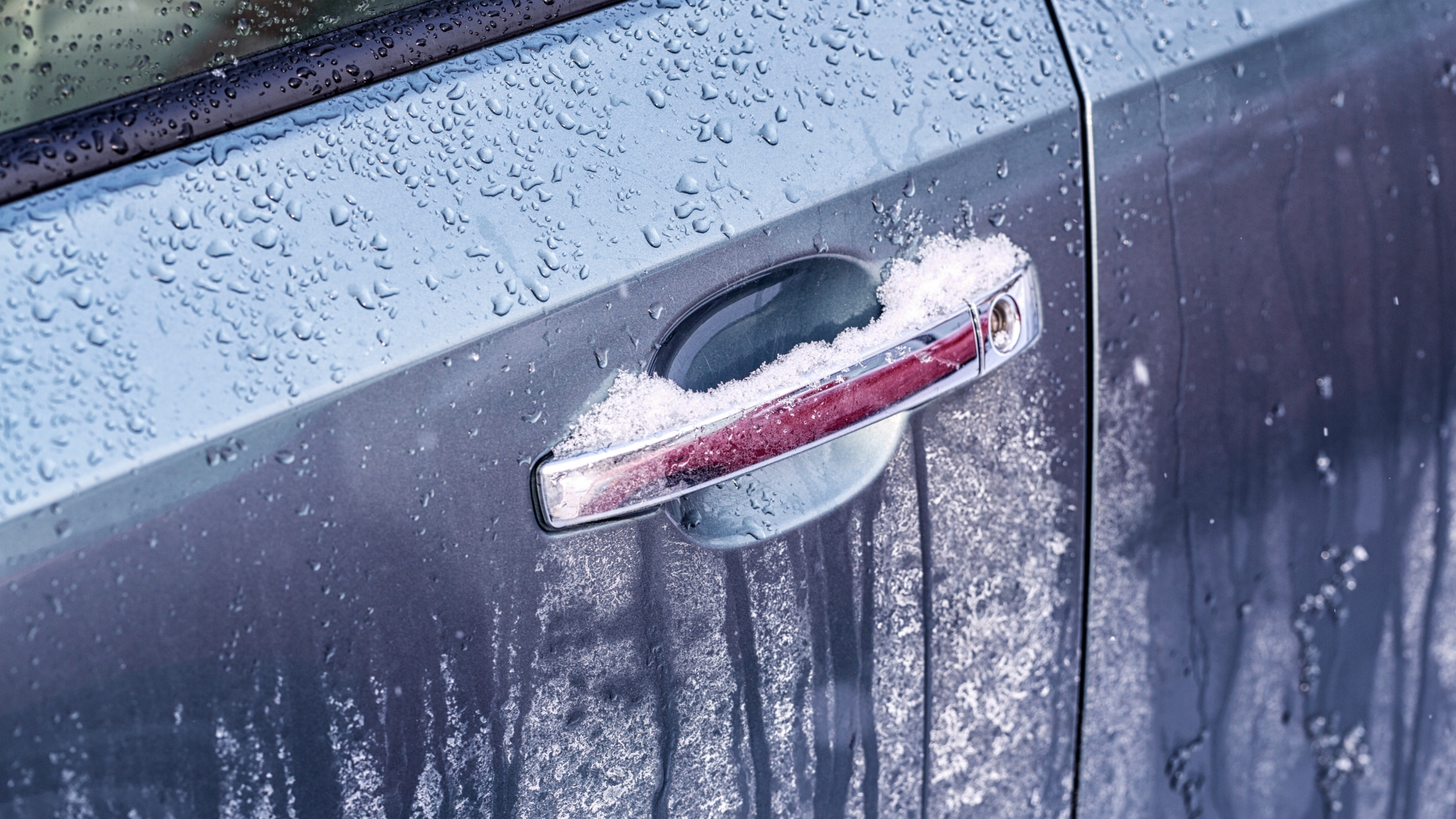
What road salt and brine actually are
Road salt is sodium chloride, the same compound as table salt. Municipalities spread it on roads because it lowers the freezing point of water, turning ice back into liquid at temperatures where water would otherwise stay frozen.
Brine is a liquid version: sodium chloride dissolved in water at roughly 23% concentration. Road crews spray it before storms as a pre-treatment. It sticks to road surfaces better than solid salt, which is why it has become the standard first step in winter road management.
Brine is more aggressive on your vehicle than solid salt. Because it is already in liquid form, it coats surfaces immediately and stays wet longer. Longer wet contact time means more time for the chemistry of corrosion to work.
Neither rinses off in the rain. Both require active washing to remove.
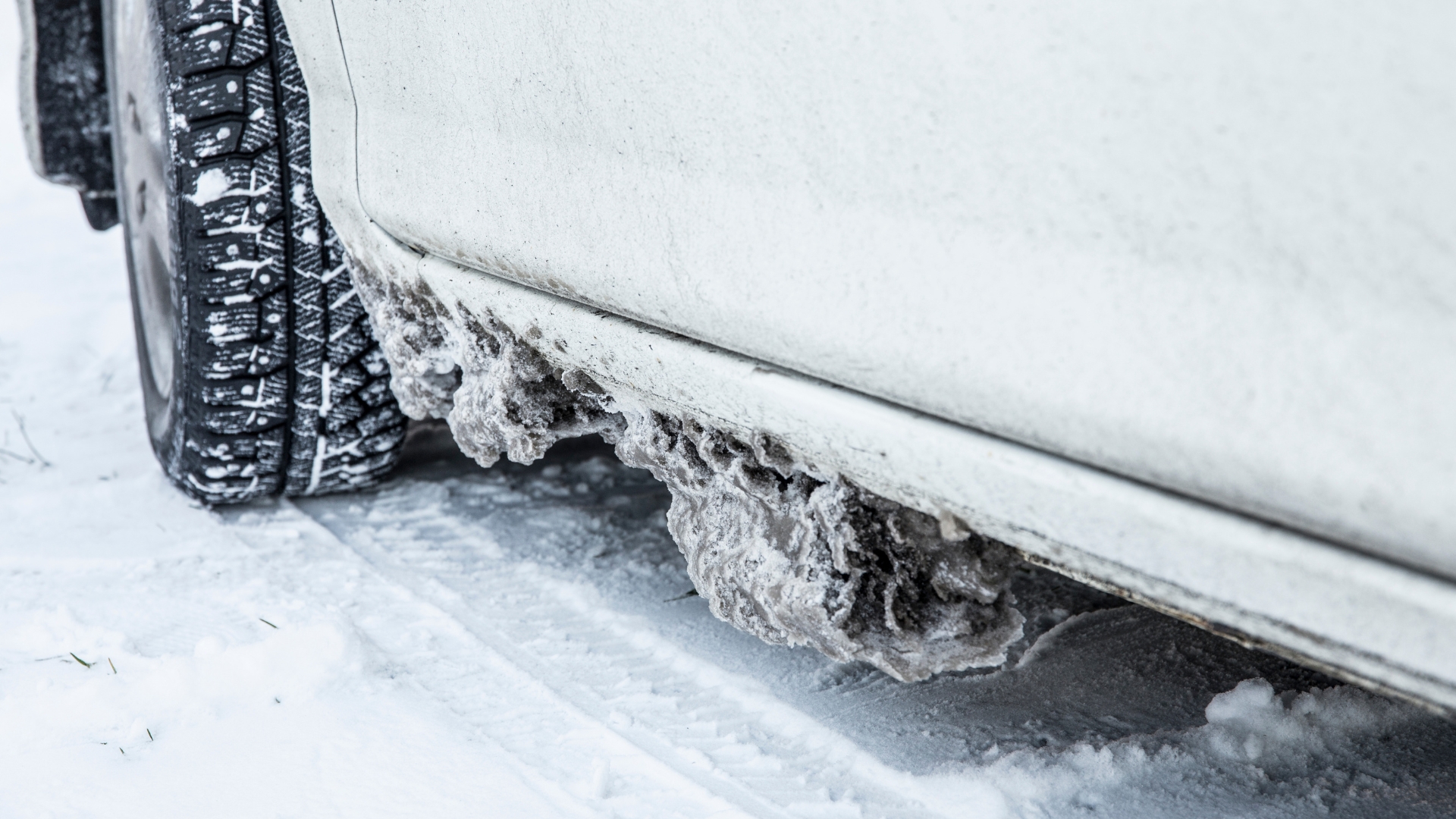
How salt corrodes metal and damages paint
Salt corrodes metal through an electrochemical process. When sodium chloride dissolves in water, it breaks into sodium and chloride ions. Those ions make water a far better conductor of electricity, which accelerates the oxidation reaction that produces rust. Salt does not cause rust by itself. It speeds up the reaction between iron, water, and oxygen that was already happening.
On bare metal, exposed surfaces rust noticeably faster in salty environments than in dry or even wet-but-not-salty ones.
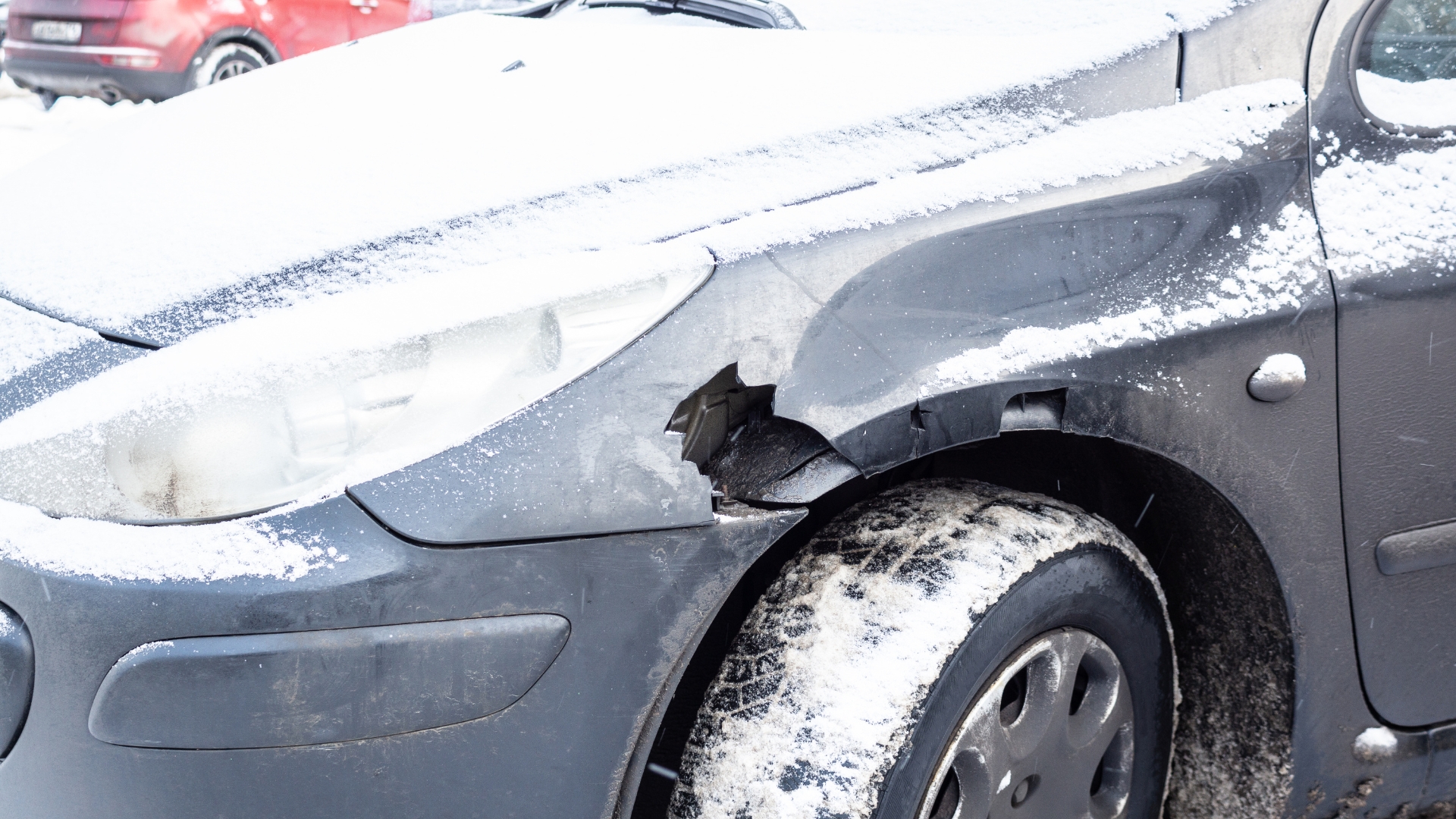
On paint, the process is different. Salt does not dissolve clear coat. What it does is work its way into any existing gap in the paint surface. Every stone chip, small scratch, or paint imperfection is an entry point. Once salt contacts bare metal through a chip, that rust spot spreads under the paint from the inside out.
Salt also degrades the bond between clear coat and base coat over years of repeated exposure. You see this as hazing, dullness, or the beginning of peel. It does not happen in one season. It builds.
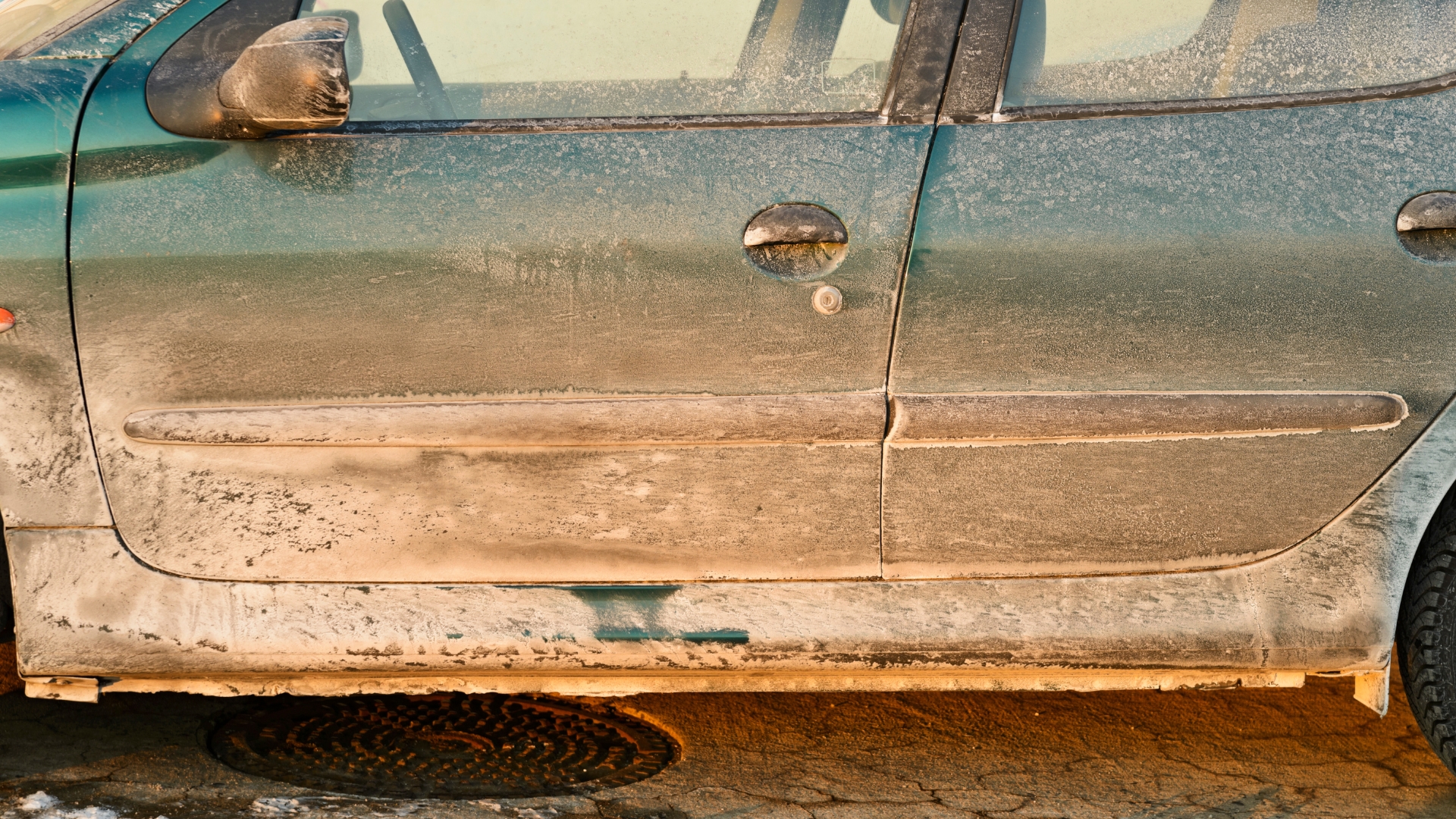
Which parts of your car are most at risk
Undercarriage
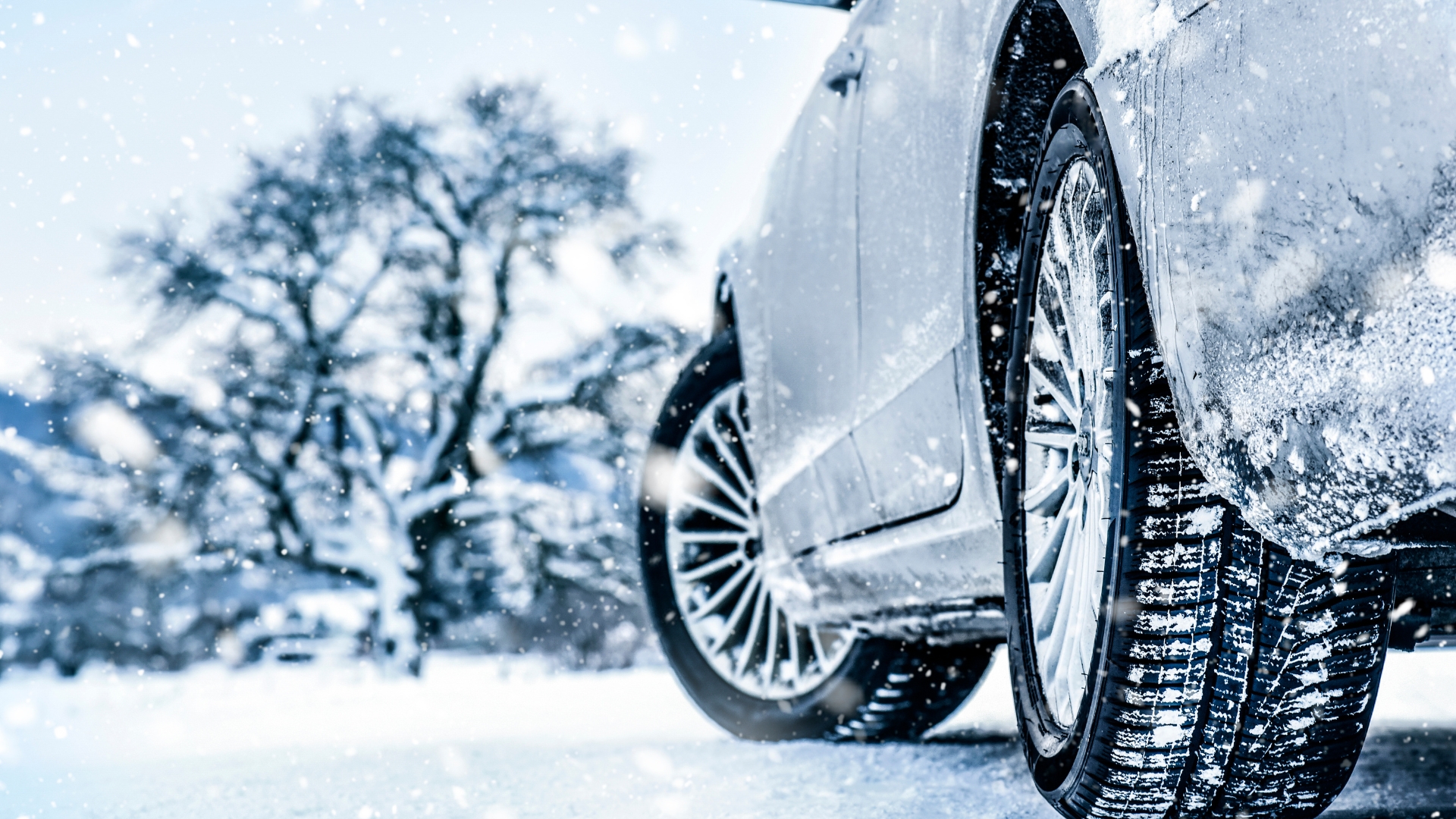
The undercarriage takes more salt exposure than any other part of the vehicle. It is closest to the road surface, unprotected by decorative paint on most components, and the first place road spray hits. Frame members, cross members, exhaust components, and brackets all develop surface rust faster than any exterior panel.
Brake lines and fuel lines
Steel brake lines corrode from the outside in. Corrosion reduces the wall thickness of the line, and in advanced cases causes fluid leaks or failure. Brake lines are not visible without getting under the vehicle, so this damage goes undetected until it is expensive. Fuel lines are subject to the same process.
Wheel wells and rocker panels
Salt and slush collect inside wheel wells and along rocker panels where they stay wet longer than on flat surfaces. Factory coatings on wheel wells chip over time, and once they do, the exposed metal behind them rusts quickly. Rocker panels are one of the first places inspectors look for rust damage when evaluating a used car.
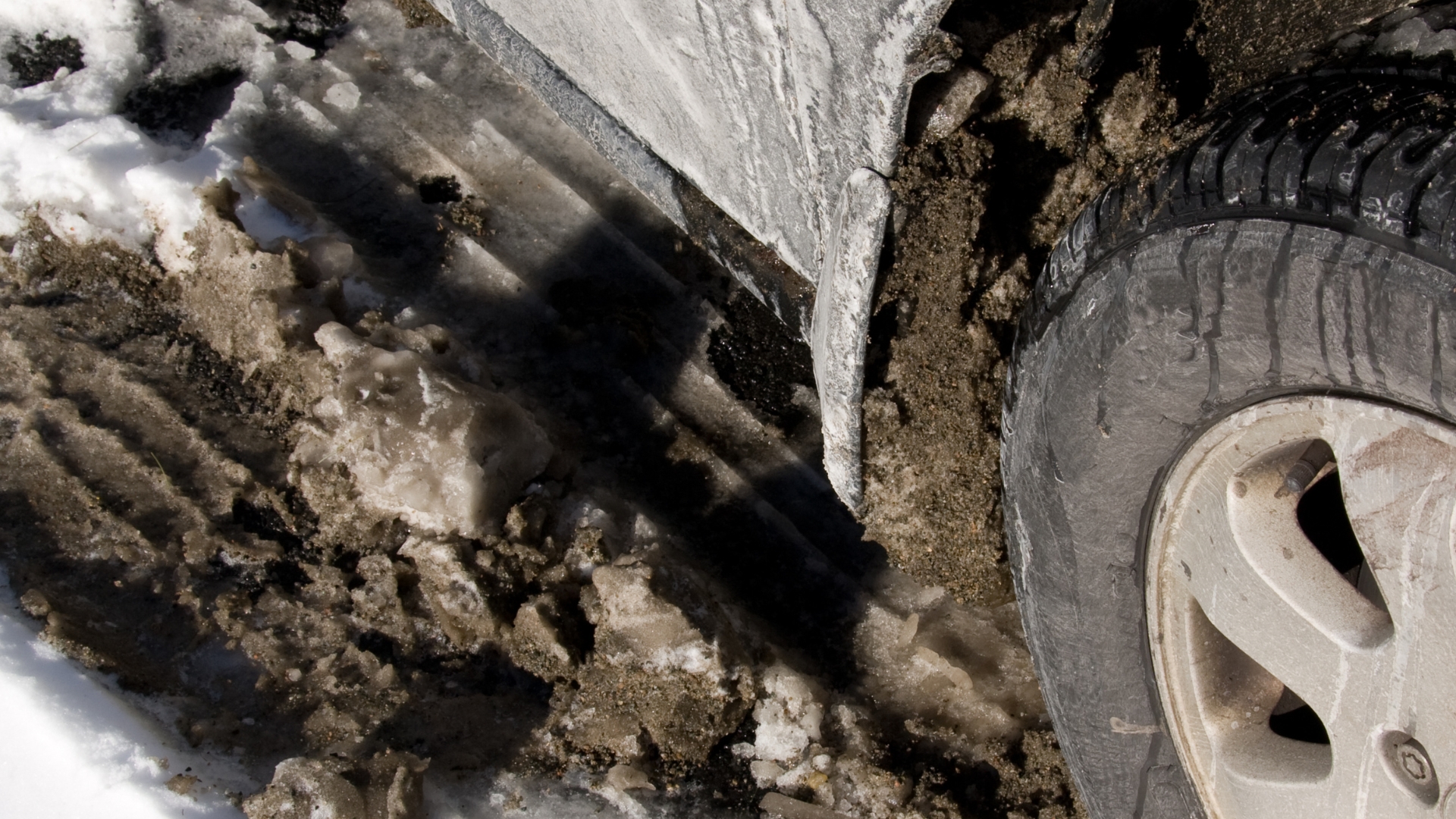
Paint and clear coat
Every micro-scratch, chip, or crack in the paint surface is a starting point for salt corrosion to reach bare metal. The clear coat itself takes years to degrade visibly, but paint protection is only as strong as its weakest point.
Chrome trim
Chrome pitting and corrosion are common on older vehicles. Chrome has its own oxidation process when exposed to salt, and pitted chrome is difficult to restore once the pitting starts.
What happens if you ignore it
Salt damage does not announce itself early. The first season you might notice nothing at all. By season two or three, a close look at your rocker panels or wheel wells might reveal small rust bubbles forming under the paint. Clear coat may begin to haze near the hood leading edge or roof, where road spray settles.
By season four or five of winter driving without protection or regular washing, the picture changes. Rust spots appear on the undercarriage. Paint chips spread rather than staying isolated. Brake line corrosion may show up during an inspection. Rocker panels that started with bubbles now show through-rust.
Beyond five seasons, the damage is structural. Rust spreads through frame components. Paint failure covers large areas. Brake line replacement becomes necessary. At this point, the cost of repairs far exceeds what protection would have cost in year one.
How to reduce salt damage during winter
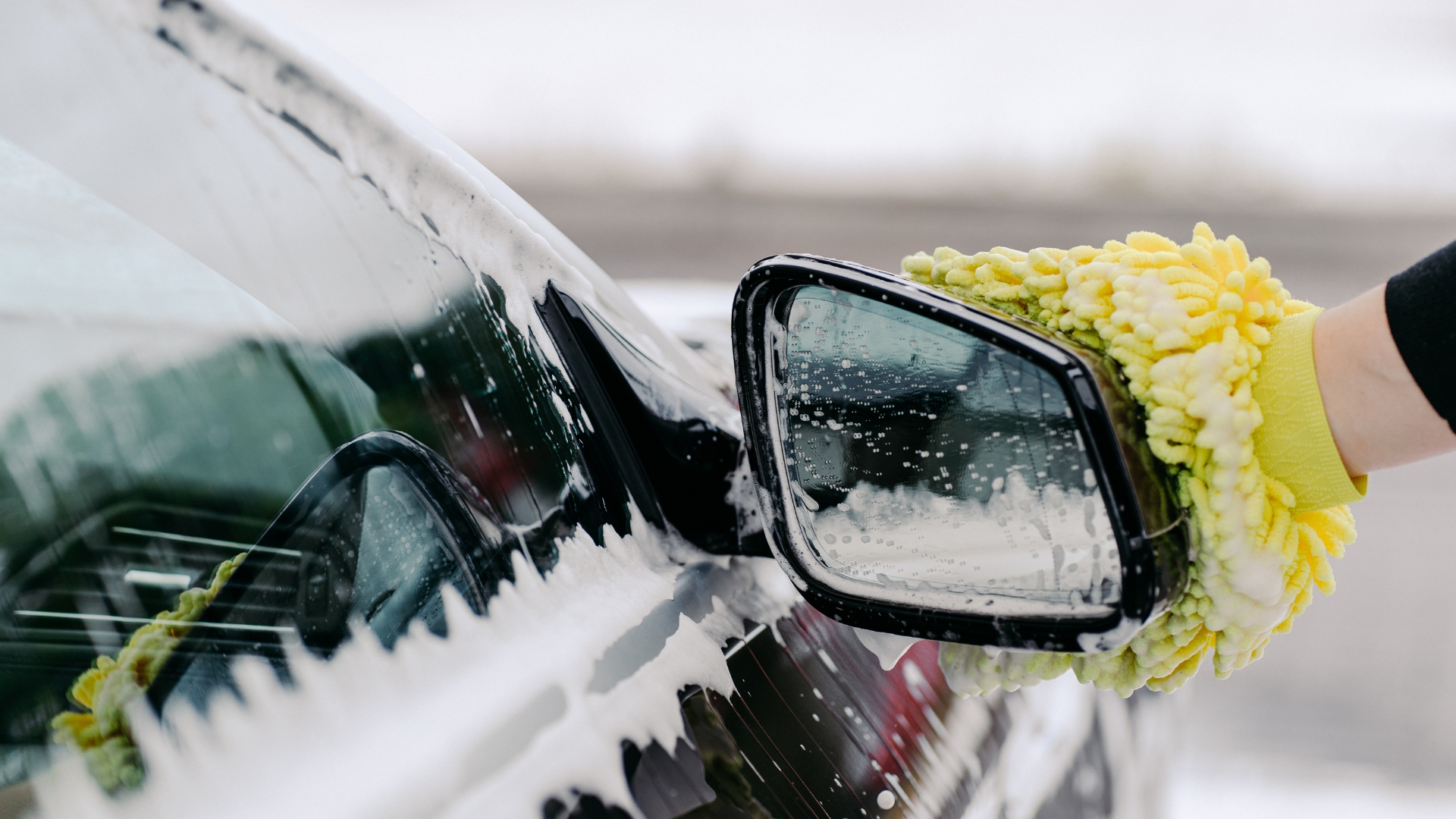
Regular washing is the single most effective thing you can do without a coating. Washing every 10 to 14 days during active salt season removes the accumulation before it has time to work.
When choosing a car wash, look for one that includes an undercarriage wash. A standard tunnel wash sprays the sides and top. An undercarriage wash gets the components under the vehicle where most of the structural damage begins.
Between washes, rinsing the wheel wells and undercarriage with a garden hose is better than nothing. It will not remove all the salt, but it reduces the contact time.
Parking in a garage helps not because it keeps salt off the vehicle when driving, but because it slows down the wet-dry cycling that accelerates corrosion. Salt sitting on metal in a warm, damp garage is worse than in a cold garage, but either is better than leaving the car parked outside in freeze-thaw cycles.
Why ceramic coating is the most effective protection against salt
Wax breaks down. It was never designed for sustained winter exposure, and road spray, wash cycles, and temperature swings strip it faster in winter than in any other season. Gel-wax products hold up longer than paste wax, but they share the same fundamental weakness: they are not chemically bonded to the paint.
Ceramic coatings are different. A properly applied ceramic coating bonds chemically to the clear coat and forms a hard, semi-permanent layer over the paint surface. That layer has two properties that matter for salt protection.
First, ceramic is hydrophobic. Water beads up and sheets off the surface rather than spreading and sitting. Salt dissolved in water does the same. The contact time between salty water and your paint drops to near zero.
Second, ceramic is hard. On the 9H scale used to rate coating hardness, a high-quality ceramic coating resists the abrasion of salt crystals and road grit that would scratch and chip conventional paint protection products.
Salt cannot reach the clear coat through an intact ceramic layer. No entry point means no corrosion pathway to the base coat or bare metal beneath.
One important note: ceramic coating protects painted surfaces. The undercarriage needs separate underbody coating or treatment. Ceramic is not a replacement for undercarriage protection.

Cilajet: aviation-grade protection built for harsh environments
Cilajet’s ceramic paint protection was developed from technology certified for Boeing and Airbus commercial aircraft. Aircraft operate in conditions that would destroy standard automotive coatings: constant humidity, extreme temperature cycling, and corrosive atmospheric exposure at altitude.
The formula uses a graphene-reinforced ceramic polymer. Graphene adds flexibility that prevents the coating from micro-cracking under temperature changes, which is exactly what standard ceramics struggle with in freeze-thaw cycles. The 9H hardness rating means road grit, salt crystals, and the physical contact of washing do not degrade the coating the way they would degrade wax or gel.
Cilajet is applied by certified dealers, not at a car wash. The application process bonds the coating permanently enough that one treatment lasts through multiple winter seasons.
The result is a paint surface that road salt and brine cannot reach. Water and everything dissolved in it simply does not stick.
If you live in a region that uses road salt, the question is not whether salt damages your car. It does. The question is whether you have a barrier in place before next winter.
A ceramic coating applied before the season starts is the one form of protection that works on the mechanism of the damage rather than just slowing it down. Washing is still necessary for the undercarriage. But for your paint, ceramic is the answer.
