Separating Ceramic Coating Marketing Claims from Real-World Paint Protection
Ceramic coatings have earned a reputation for keeping vehicles looking newer for longer. With their glossy finish and water-repelling properties, it’s easy to see why. But somewhere along the way, some of the marketing claims surrounding ceramic coatings have created unrealistic expectations.
We’re here to set the record straight and give the real story of what ceramic coatings can actually do for your vehicle. Understanding what ceramic coatings can realistically accomplish will help you make better decisions about protecting your car and maintaining its appearance well after you drive off the lot.
Six Myths About What Ceramic Coating Can Do for Vehicles
There are lots of lofty claims about what ceramic coatings can do for cars. We’ve identified the biggest marketing myths below and why they may be a bit misleading.
Myth #1: Ceramic Coating Makes Your Paint Scratch-Proof
One of the most common misconceptions about ceramic coatings is that they create an impenetrable barrier against scratches. While ceramic coatings can provide some resistance to minor surface abrasions, they won’t prevent damage from shopping carts, flying rocks, or someone dragging a key across your car. Even everyday activities like washing your vehicle with a dirty sponge can leave scratches behind.
As Car and Driver explains in its ceramic coating guide, these products can offer limited resistance to minor scratches, but deeper abrasions and rock chips can still damage the underlying paint. The takeaway? Ceramic coating adds a valuable layer of protection, but careful handling and proper washing techniques remain important.
Myth #2: You Never Have to Wash a Ceramic-Coated Car
If you’ve ever watched water bead up and roll off a freshly ceramic-coated vehicle, you might assume the coating practically cleans itself. Unfortunately, that’s not quite how it works. Ceramic coatings have hydrophobic properties that help repel water and reduce how strongly certain contaminants adhere to the surface. This makes removing dirt and grime easier during routine washes.
However, pollen, road film, bird droppings, and other debris will still accumulate over time. Regular washing remains essential for maintaining your vehicle’s finish. The good news is that ceramic-coated surfaces are generally easier to clean, which can make the process less time-consuming.
Myth #3: Ceramic Coating Prevents Every Kind of Environmental Damage
Your vehicle encounters plenty of potential paint hazards throughout the year. Summer sunshine, acidic bird droppings, tree sap, and winter road contaminants can all take a toll on its appearance. Ceramic coatings help defend against many of these environmental threats by creating a protective barrier over the clear coat. However, that protection has limits.
Bird droppings and bug residue can still cause staining or etching if left on the surface too long. Mineral deposits from hard water can also leave spots, even when water beads readily on the coating. The coating’s condition, exposure time, and severity of the contaminant all influence how well the finish holds up. For the best results, remove potentially damaging substances promptly rather than assuming the coating will protect your paint indefinitely.
Myth #4: Ceramic Coating Can Fix Scratches, Swirl Marks & Faded Paint
It’s tempting to think that applying a glossy ceramic coating will make existing paint imperfections disappear. Unfortunately, coatings cannot repair scratches, oxidation, or swirl marks that are already present. In fact, applying a coating over damaged paint can leave those imperfections visible beneath the protective layer. That’s why proper surface preparation matters so much.
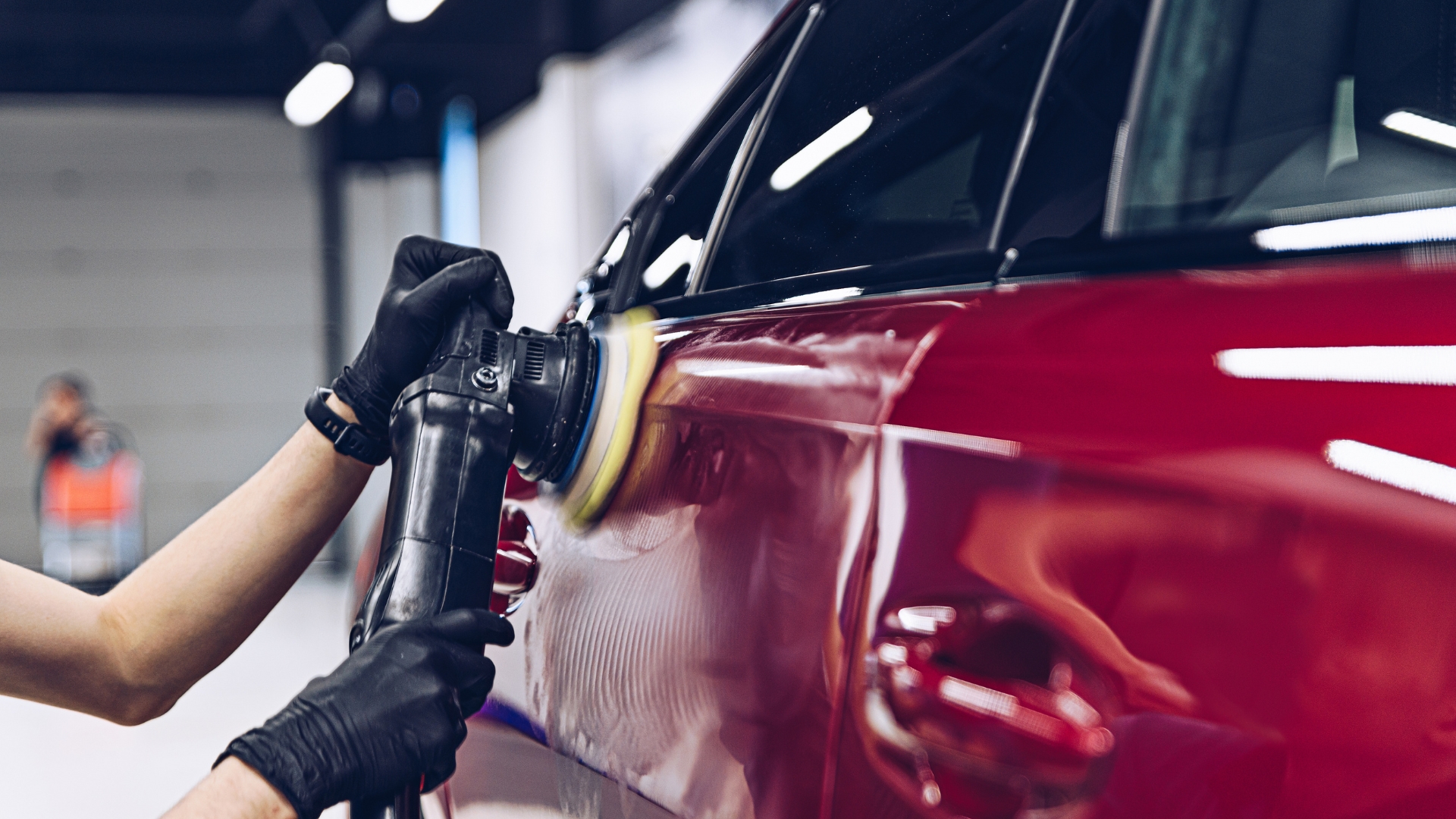
Before ceramic coating application, professional detailers typically inspect the paint, remove surface contaminants, and perform paint correction when necessary. Paint correction uses specialized polishing techniques to reduce or eliminate certain imperfections in the clear coat, creating a smoother finish before protection is applied. As discussed in our guide to why paint correction matters before ceramic coating, preparing the surface beforehand helps ensure the finished vehicle looks its best.
Myth #5: All Ceramic Paint Protection Products are Basically the Same
Walk through an automotive supply store or search for paint protection online, and you’ll find dozens of products advertising ceramic technology. Despite sharing similar terminology, these products can differ considerably. Consumer-grade ceramic sprays typically offer convenient application and shorter protection periods. Professional ceramic coatings generally require more extensive preparation and controlled application conditions.
At Cilajet, for instance, our ceramic paint protectant requires application through an authorized dealer. There are two different types of ceramic coatings within our umbrella of offerings: Cilajet Ceramic with Graphene and Cilajet Aviation-Grade. The Cilajet Ceramic with Graphene is a nano-ceramic polymer technology with graphene, while the Cilajet Aviation-Grade is our original formula with organic acrylic co-polymer technology.
When comparing products, look beyond the word “ceramic” on the label. Consider the application process, expected durability, maintenance requirements, and available warranty coverage. Understanding these differences can help you avoid paying for protection that doesn’t match your expectations.
Myth #6: Once Ceramic Coating is Applied, You Can Forget About Your Paint
Ceramic coatings are designed to provide long-lasting protection, but their performance still depends partly on how the vehicle is maintained. Improper washing techniques, harsh chemicals, and accumulated contaminants can compromise the coating’s appearance and effectiveness over time. According to Consumer Reports’ 2026 car-washing guidance, frequent washing helps preserve a vehicle’s finish, while abrasive materials and improper techniques can introduce scratches.
For ceramic-coated vehicles, a few good habits can make all the difference:
- Wash regularly using automotive cleaning products compatible with your coating.
- Use clean microfiber towels and soft wash mitts.
Remove bird droppings and other aggressive contaminants promptly. - Follow your coating manufacturer’s recommended maintenance schedule.
Taking care of your coating helps it continue doing its job.
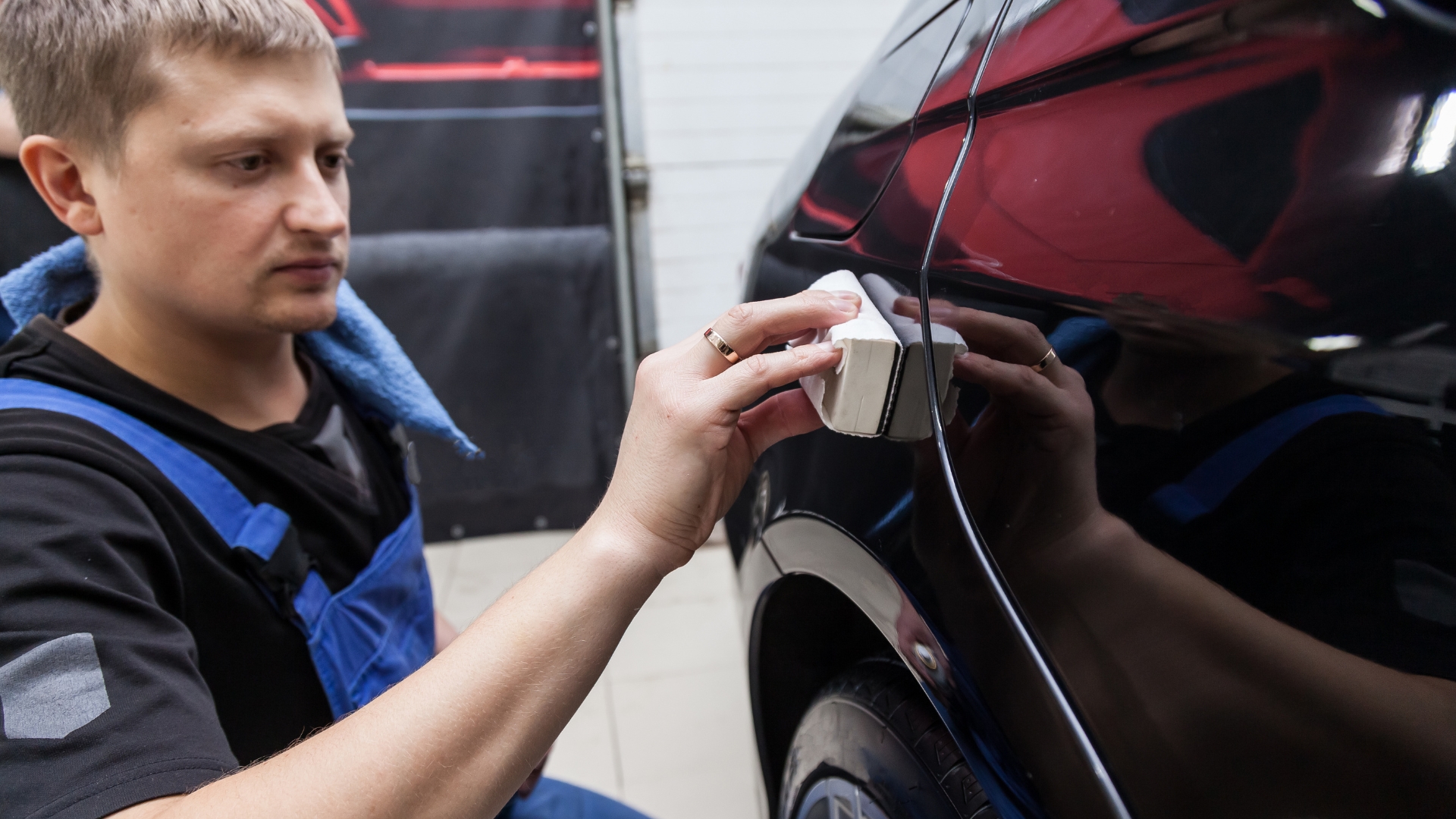
What Ceramic Coating Actually Does Well
With so many misconceptions surrounding ceramic coatings, it’s worth remembering why they’ve become such a popular option for vehicle protection. A quality ceramic coating offers several meaningful advantages. Its hydrophobic properties help water bead and roll off the surface, making routine cleaning easier. The protective layer also helps reduce the effects of environmental exposure and can enhance the depth and gloss of a well-maintained paint finish. Additionally, ceramic coatings help increase resistance to contaminants adhering to the coated surface.
For vehicle owners who want to preserve their car’s appearance over time, these benefits can make ceramic coating a worthwhile investment. Of course, results depend on the product and application, as well as ongoing maintenance.
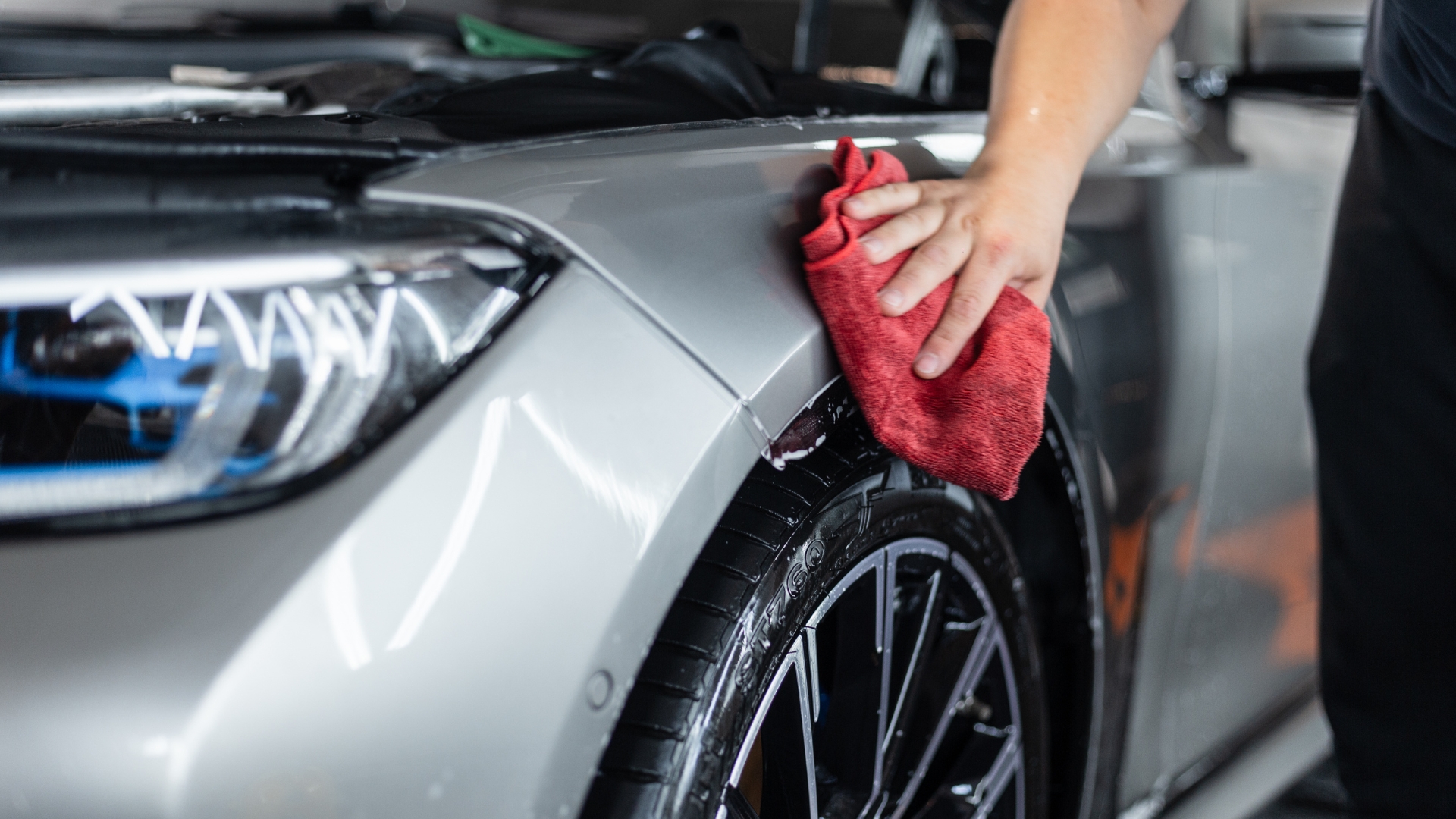
Is Ceramic Coating Right for Your Vehicle?
Ceramic coating can be an excellent choice for drivers who want added paint protection and easier maintenance. The key is choosing a product that fits your vehicle’s condition and how you use it. At Cilajet, we understand that protecting your vehicle is an investment in its long-term appearance and value. Our automotive paint protection solutions are designed to help drivers keep their vehicles looking their best for the long term.
Find a Cilajet dealer near you and experience the difference our ceramic paint protectant can make in your vehicle’s appearance!
