
Seasonal Debris Can Be Tougher on Your Paint Than They Look
Fall brings cooler temperatures, changing leaves, and, for many drivers, a welcome break from summer’s relentless heat. But while autumn might seem like a gentler season for your vehicle, it comes with its own challenges for your paint. Fallen leaves collect along the windshield and hood. Tree sap drips onto vehicles parked beneath branches. Bird droppings and road grime accumulate between washes. Left unattended, these everyday contaminants can affect your car’s finish.
Fortunately, ceramic coating offers an added layer of defense against many of these seasonal hazards. Understanding how it works, what it protects against, and where it has limitations can help you keep your vehicle looking its best all season long.
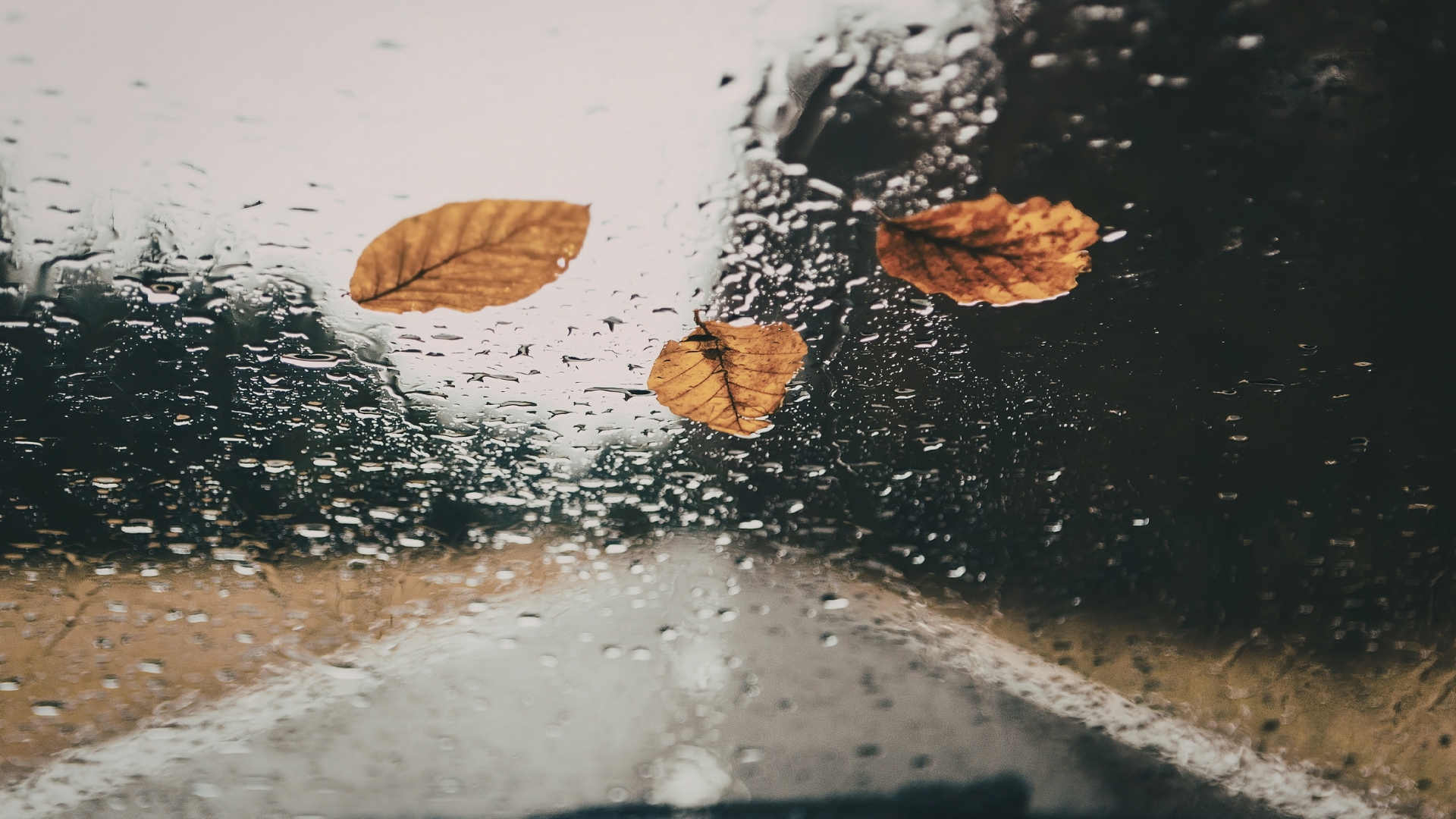
What Fall Contaminants Can Damage Your Car’s Paint?
Autumn introduces several environmental hazards that can affect your vehicle’s exterior, especially when debris remains on the paint for extended periods. Some of the most common contaminants to watch for during the fall season include:
- Fallen leaves:
- Tree sap:
- Bird droppings:
- Pollen, dust, and road grime:
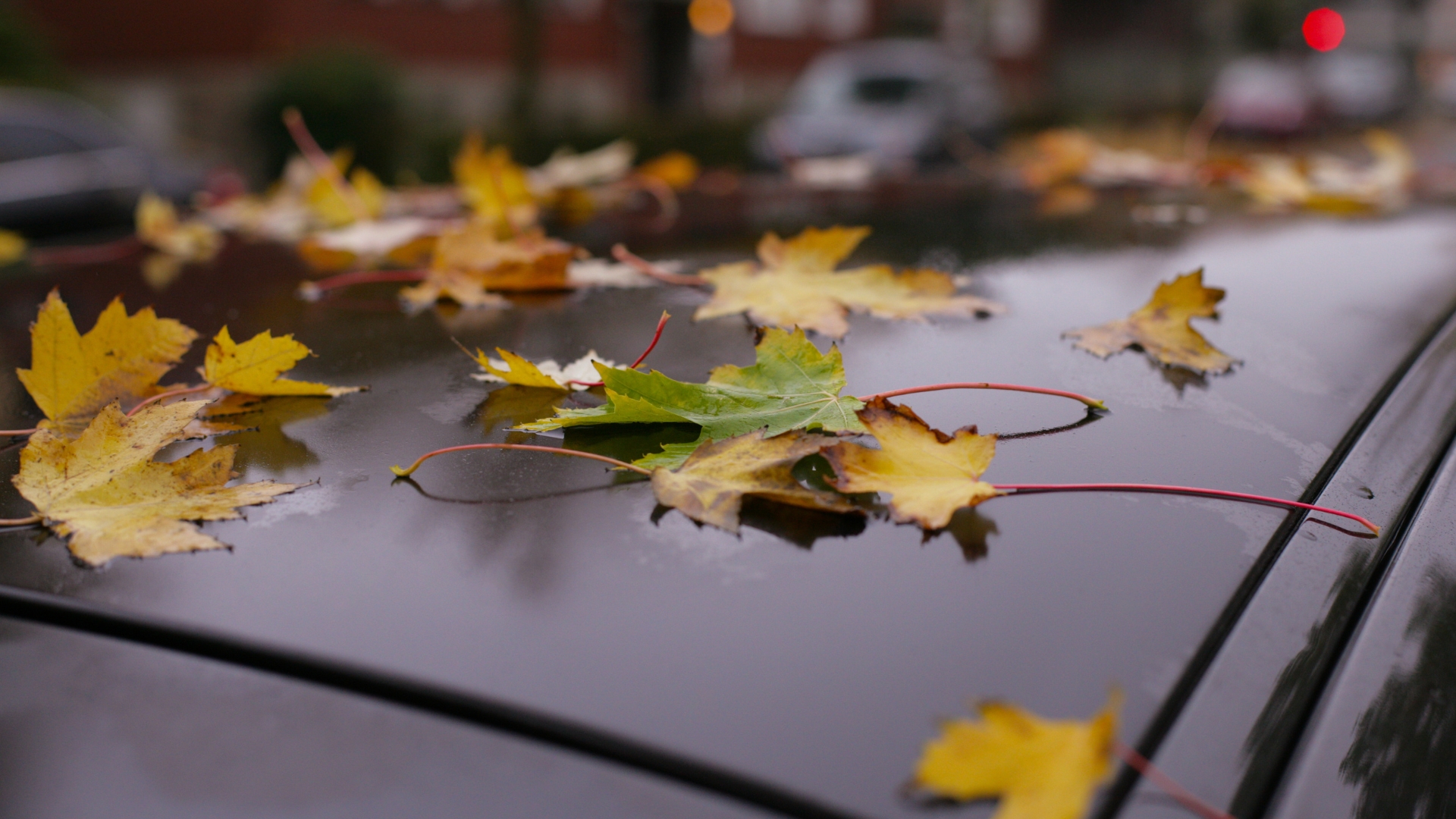
When wet leaves settle against your vehicle, they can trap moisture and leave behind organic residue. As they decompose, that residue can become increasingly difficult to remove.
Fresh sap may seem harmless, but it can harden as it dries, making removal more difficult and increasing the risk of surface damage.
This can be especially problematic due to the fact that their chemical composition can contribute to staining or etching. The longer bird droppings remain on your paint, especially in warm sunlight, the greater the potential for damage.
These contaminants can accumulate in layers. Improper washing techniques may drag these particles across the finish, creating fine scratches.
The common thread is time. Allowing contaminants to sit for days or weeks increases the likelihood of stubborn residue and lasting paint damage.
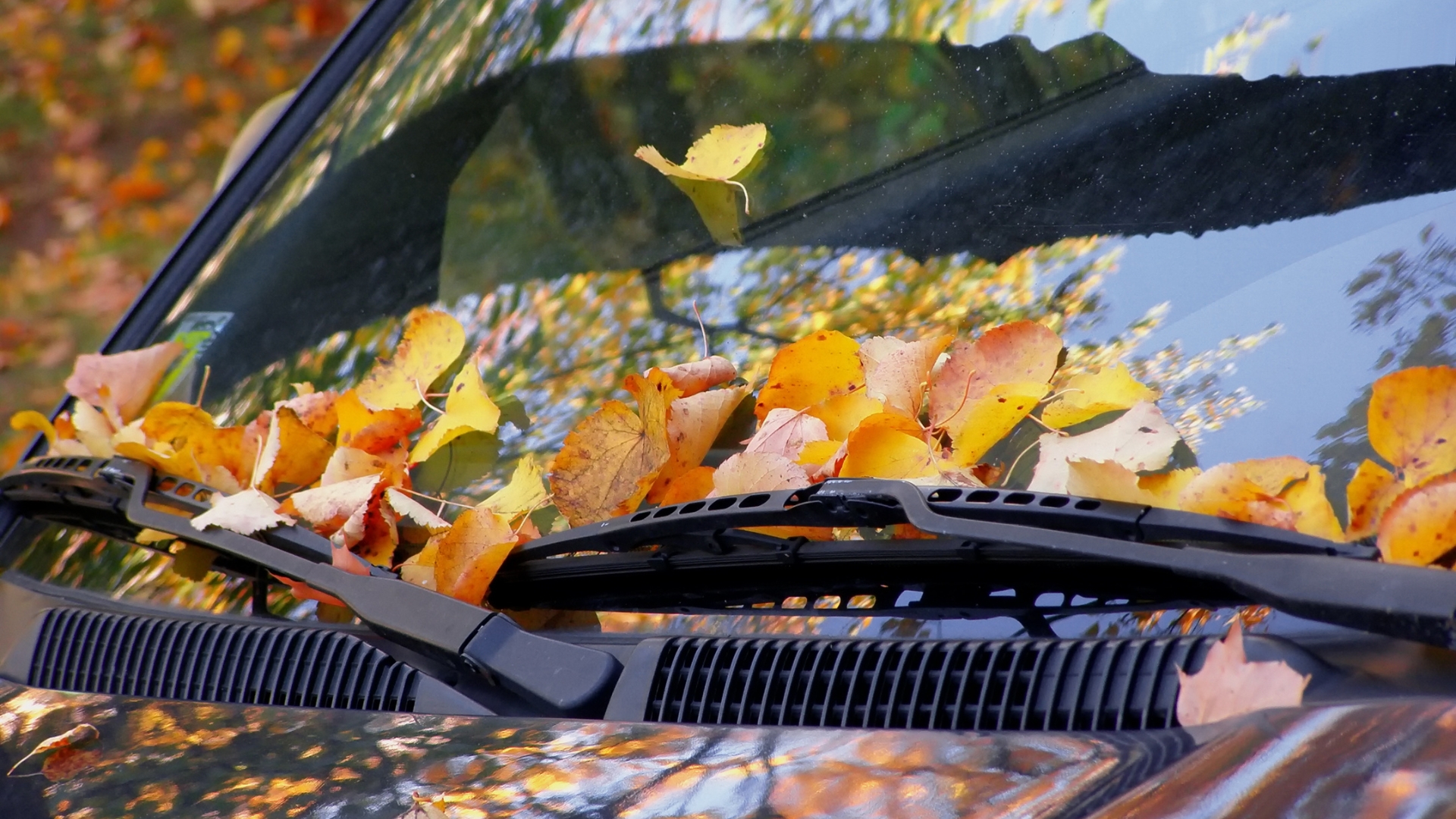
How Does Ceramic Coating Protect Your Paint?
Ceramic coating creates a protective layer over your vehicle’s clear coat, helping reduce direct exposure to environmental contaminants. Once professionally applied and properly cured, the coating forms a durable bond with the underlying finish. Its hydrophobic properties encourage water to bead and roll off, often carrying loose dirt along with it. That water-repellent behavior is particularly useful during fall, when rain and damp conditions can leave vehicles covered in grime.
Ceramic coatings also make many contaminants less likely to adhere strongly to the surface. As a result, routine cleaning can require less effort, reducing the need for aggressive scrubbing that might otherwise damage the finish. Another benefit is chemical resistance. Although the level of protection varies by formulation, a quality ceramic coating, such as Cilajet ceramic, can help shield the clear coat from exposure to certain environmental substances. These properties make ceramic coating a valuable addition to a vehicle’s seasonal maintenance routine.
What Can Ceramic Coating Protect Against This Fall?
Ceramic coating can help reduce the impact of several common autumn contaminants, although each presents different challenges.
Leaves & Organic Debris
Wet leaves can leave behind residue that becomes harder to remove as it dries. A ceramic-coated surface makes cleanup easier and provides a barrier between that residue and the underlying paint. According to a September 2026 Consumer Reports article, wet leaves can contain acidic tree sap capable of damaging automotive finishes. The publication recommends carefully removing accumulated leaves and rinsing the vehicle afterward.
Tree Sap
Sap can be especially stubborn once it hardens. Ceramic coating helps reduce how strongly it adheres to the surface, making removal less difficult. However, hardened sap should never be scraped away. Using an appropriate, coating-safe cleaner like Cilajet car shampoo or the Cilajet car wash kit is a much better approach.
Bird Droppings
Bird droppings contain substances that can damage automotive finishes, particularly when exposed to heat. Ceramic coating provides additional chemical resistance, giving owners a better opportunity to remove contamination before it affects the clear coat. Prompt cleaning remains essential.
Rain, Mud & Road Grime
Fall showers frequently leave vehicles covered in muddy residue. A ceramic coating’s hydrophobic properties help water shed more readily, making subsequent washes easier.
What Ceramic Coating Won’t Protect Your Vehicle From
Despite its benefits, ceramic coating has limitations. It can’t prevent rock chips, deep scratches, or dents caused by falling branches. Contaminants left unattended for extended periods may still stain or etch the coated surface. Ceramic coating also can’t eliminate water spots entirely. Mineral deposits can remain after water evaporates, particularly when a vehicle is repeatedly exposed to sprinklers or hard water.
These limitations are reflected in Ceramic Pro’s 2024 coating aftercare guidance, which warns that leaves, sap, and other environmental contaminants can still damage coated surfaces. Understanding these boundaries helps vehicle owners develop realistic expectations and avoid preventable damage.
How to Care for a Ceramic-Coated Car During Fall
Even professionally coated vehicles benefit from consistent maintenance. A few seasonal habits can help preserve the coating’s appearance and performance:
- Remove leaves, bird droppings, and sap promptly.
- Wash regularly using a coating-safe, pH-neutral automotive shampoo.
- Avoid harsh scrubbing or abrasive cleaning tools.
- Use clean microfiber towels or a car wash mitt and proper washing techniques.
- Follow your coating manufacturer’s recommended maintenance schedule.
A 2024 maintenance guide from IGL Coatings recommends regular gentle washing and avoiding harsh chemicals that may compromise coating performance. Remember that water beading alone doesn’t mean your vehicle is clean. Dirt and contaminants can still accumulate on coated surfaces.

Give Your Paint an Extra Layer of Protection This Fall
Autumn’s changing conditions can take a toll on your vehicle’s finish, particularly when fallen leaves, sap, and other contaminants are allowed to accumulate. Ceramic coating provides an added layer of protection that helps resist environmental contamination while making regular maintenance easier. Combined with proper care, it can help preserve your vehicle’s appearance well beyond the fall season.
