
How long does ceramic coating last on cars?
Most automotive ceramic coatings last 12 to 24 months. Cilajet is rated for 5-plus years in a single application, and with proper care it can last as long as a decade. That gap comes down to three things: the type of coating, the environment it lives in, and how well it is maintained.
Below is what drives the range, how to get the most life out of a coating, and how to tell when it is time to replace one.
How long does ceramic paint protection last on average?
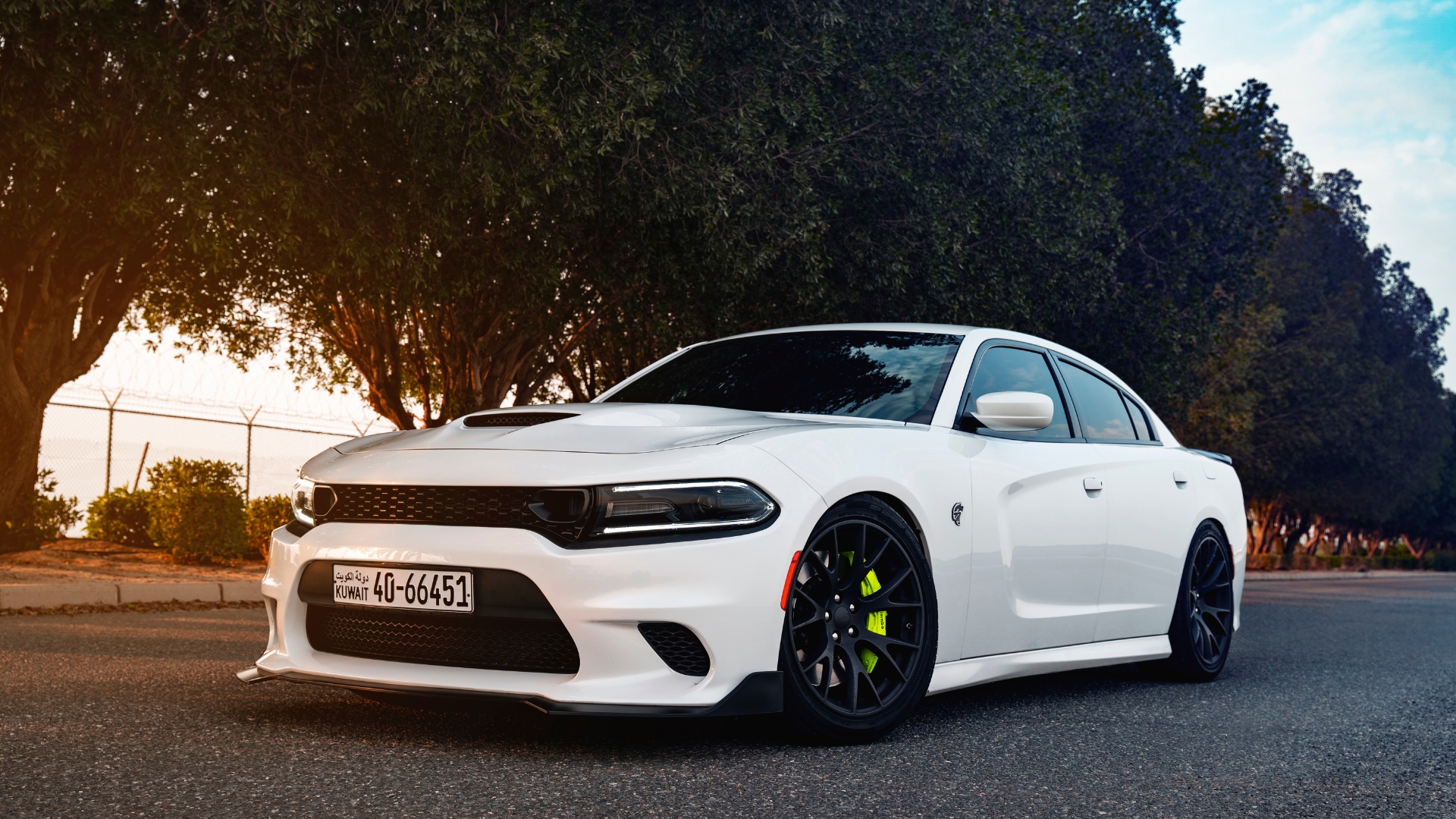
Standard automotive-grade ceramic coatings offer short-term physical protection, typically 12 to 24 months before they need reapplication. That is the industry baseline for most products on the market.
Cilajet sits well beyond it. Its aviation-grade formula uses a graphene additive and enhanced cross-linking to hold up far longer, which is why it is rated for 5-plus years. It is also a bonded coating rather than a film, so it will never peel. So when someone asks how long Cilajet lasts, the answer is years, not months, from a single professional application.
What affects how long a ceramic coating lasts?
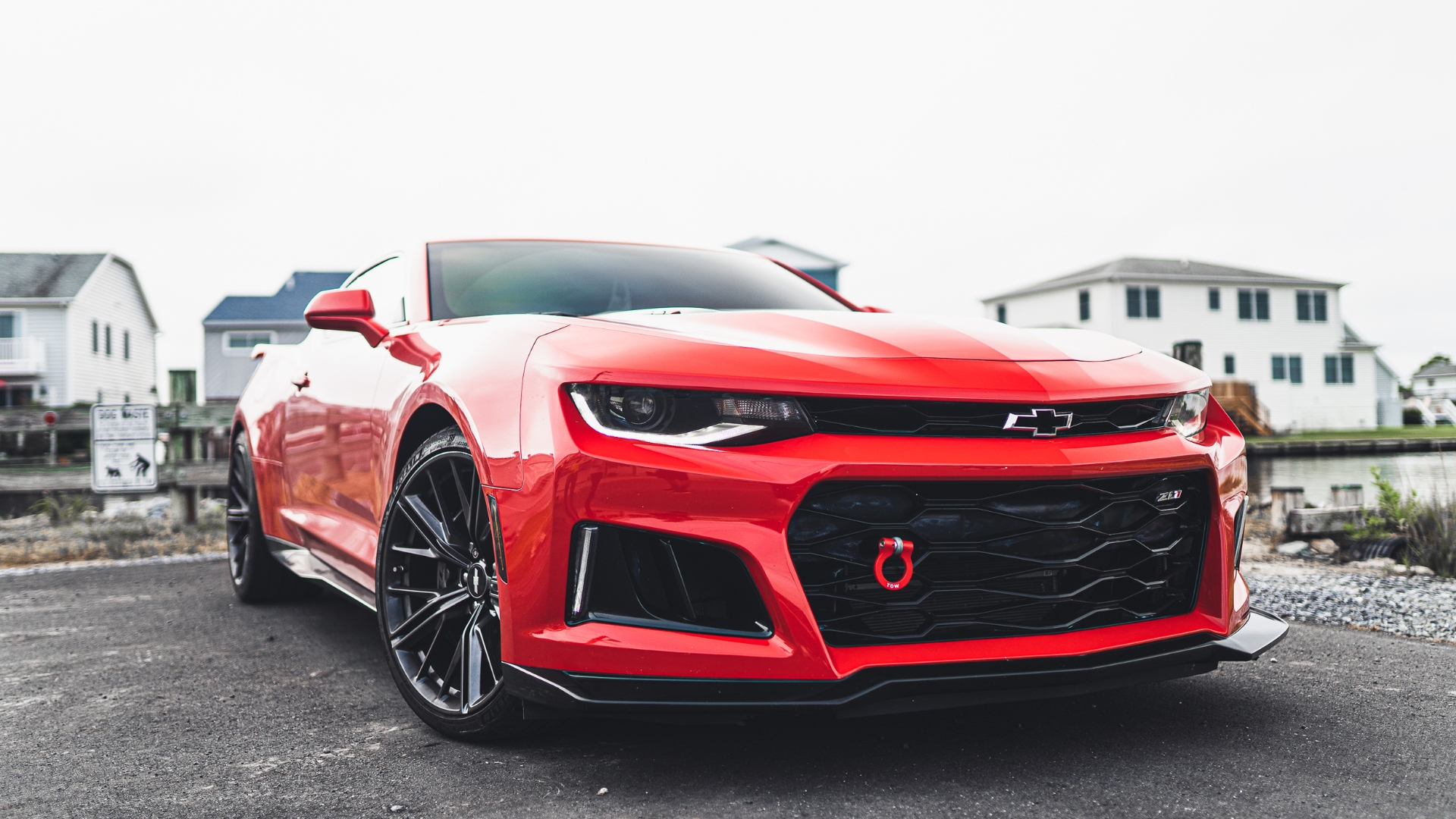
Three factors decide where a coating lands in its lifespan range.
Type of coating
Entry-level and consumer-grade coatings wear out fastest, while professional dealer-applied coatings last the longest. Cilajet sits at the durable end of that scale because of its graphene chemistry and cross-linking, which resist breakdown longer than a conventional coating.
Environmental conditions
UV exposure, acid rain, road salt, and harsh weather all wear a coating down over time. A car parked outside in a punishing climate will see its coating age faster than one kept in a garage. Storage and climate matter as much as the product.
Maintenance and washing habits
How you care for the coating has a direct effect on how long it lasts. Correct washing with the right products preserves it, while harsh chemicals and careless technique shorten its life. Maintenance is the one factor fully within your control.
How to make your ceramic coating last longer
A few habits protect your investment:
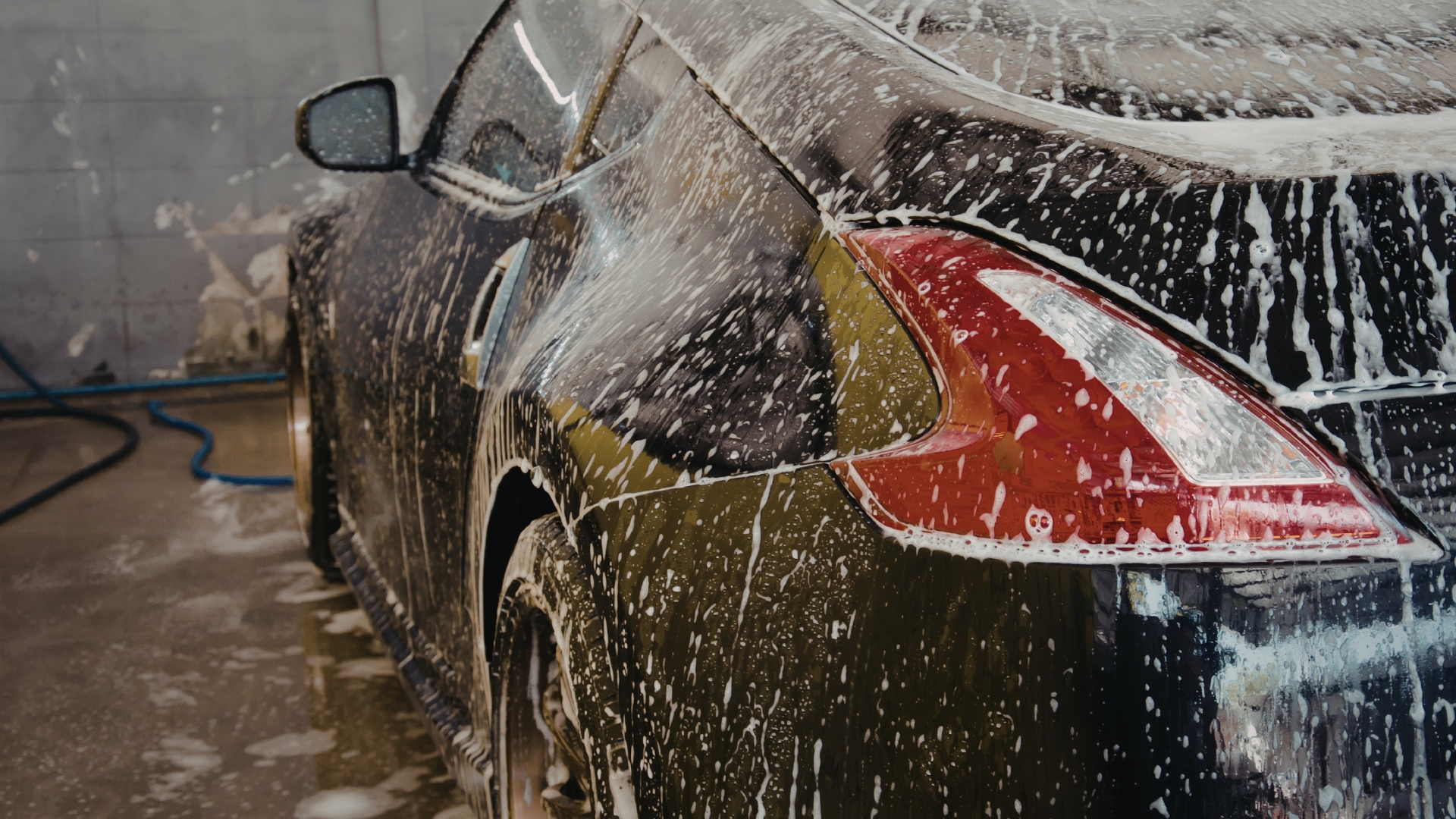
- Wash with clean water, and do not over-wash
- Use only approved aftercare products that are safe for ceramic coatings
- Avoid harsh chemicals such as hydrofluoric acid and chlorine bleach
- Use proper washing methods and clean tools to prevent swirls
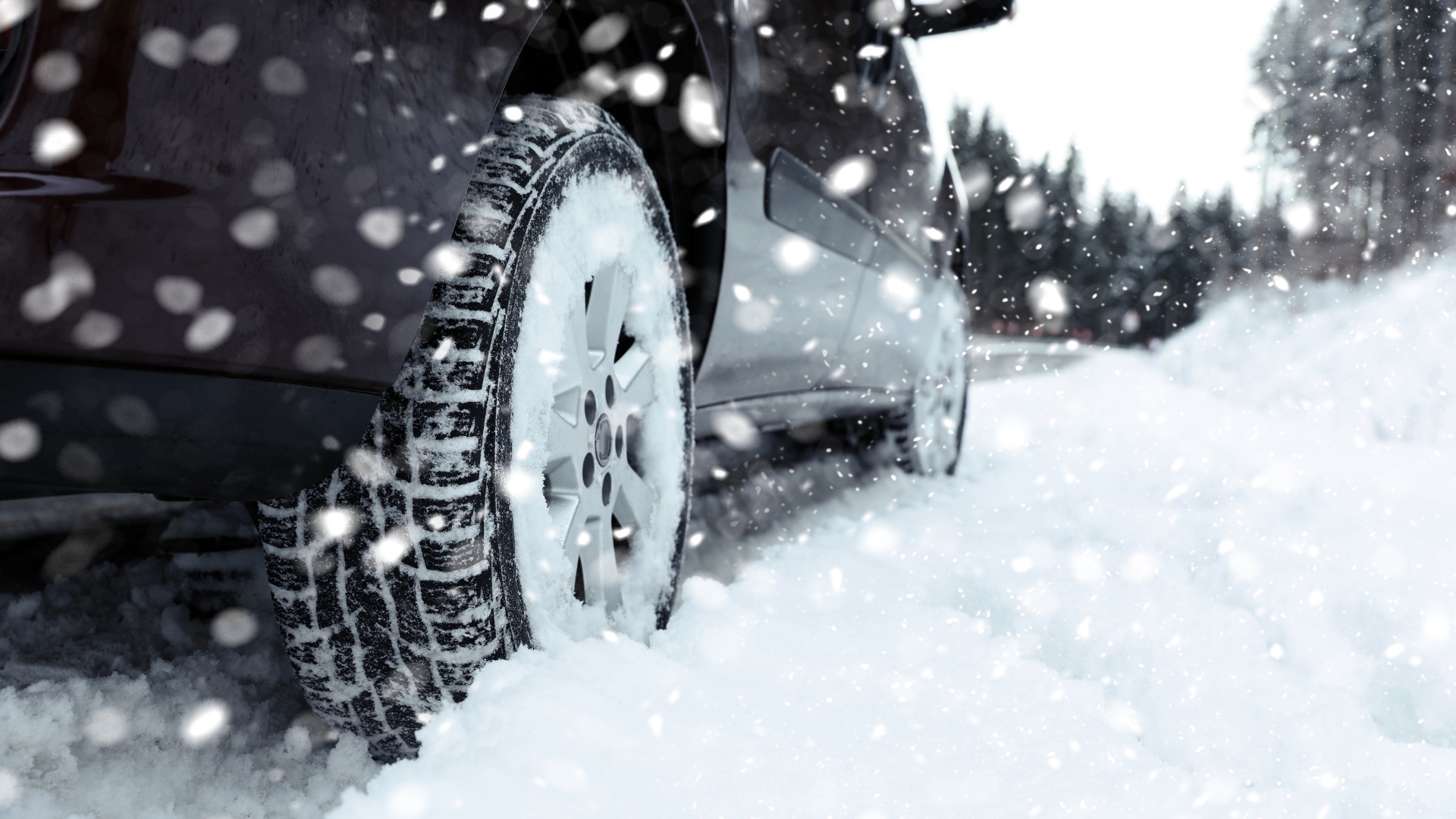
- Limit exposure to harsh weather when you can, and keep the car sheltered when parked
Signs it is time to replace your ceramic coating
Every coating eventually wears out. Watch for these signs:
- Loss of shine. The finish dulls as the coating loses effectiveness.
- Top-layer degradation. Once the surface layer starts breaking down, the rest follows, and continued wear exposes the paint.
- Water no longer beading. When the hydrophobic effect fades and water stops rolling off, the coating is failing.
- Swirls and marring. As the coating thins, light scratches and swirl marks become easier to see.

Is ceramic coating worth it?
For owners who keep their vehicles, yes. A ceramic coating costs more up front than wax, but it delivers multi-year protection and cuts the ongoing time and money spent on reapplication and paint correction. Judged over the life of the vehicle, the durable option is usually the better value.
Pricing is set by individual dealers rather than published as a fixed rate, so the right way to gauge cost is to weigh it against how long the protection lasts. A coating rated for years, not months, spreads that cost across a much longer protection window. To learn what a coating covers and what it runs, start with the ceramic coating overview or contact a dealer. If you are still deciding whether Cilajet is a ceramic coating and how it compares, see what automotive ceramic coatings are, and for the chemistry behind the longevity, see the science behind ceramic coatings.
Lifespan comes down to the coating you choose and how you care for it. A graphene-based, dealer-applied coating like Cilajet delivers the longest protection available. Find a Cilajet dealer to see what 5-plus years of aviation-grade protection looks like on your vehicle.
